
 EN
EN
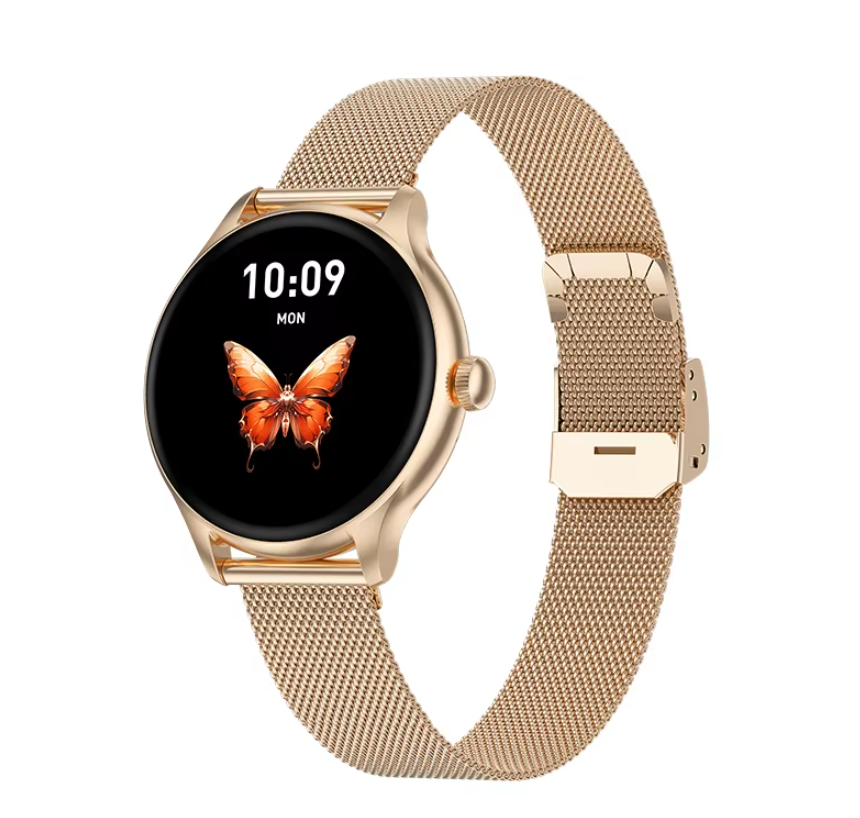
The Challenge of Heart Rate Monitoring in Water
So here's something that surprises a lot of people. Monitoring heart rate underwater isn't as straightforward as you might think. When you're swimming, water creates all sorts of challenges for the optical sensors that smartwatches use to track your heart rate. The wrist is actually one of the worst places for optical heart rate monitoring when you're submerged. Water can interfere with the light signals that sensors use to measure blood flow, and movement in the water can create noise that throws off the readings.
Despite these challenges, smartwatches have gotten surprisingly good at tracking heart rate during swims. The technology has improved a lot over the years, and while it's not perfect, it's definitely useful for getting a general picture of how your heart responds to different swimming intensities.
How Optical Sensors Work in Water
The basic principle behind optical heart rate monitoring is pretty simple. A watch shines light into your skin and measures how much of that light is reflected back. Changes in blood flow affect the reflection, which allows the sensor to calculate your heart rate. It's the same technology that works on dry land.
In water, things get more complicated. Water can scatter light in ways that confuse the sensor. Movement in the water can cause the watch to shift on your wrist, changing the angle of the light and affecting the readings. Plus, cold water can cause blood vessels to constrict, which changes the blood flow patterns that the sensor is trying to measure.
That said, many modern smartwatches have developed algorithms and sensor designs specifically to deal with these challenges. They use multiple LEDs and more sophisticated signal processing to filter out the noise and get more accurate readings. Some watches even adjust their sensor behavior when they detect that you're in the water, switching to a swimming-specific mode that's optimized for underwater conditions.
Waterproof Ratings and What They Mean for Swimmers
If you're planning to use a smartwatch for swimming, waterproofing is obviously a big deal. Not all waterproof ratings are created equal, and understanding what they mean can help you pick the right watch for your needs.
IP67 and IP68 ratings are common on many smartwatches. IP67 means the watch can handle immersion in up to 1 meter of water for about 30 minutes. IP68 offers better protection, usually handling deeper immersion for longer periods. But for serious swimming, you really want to look for 5ATM or better. 5ATM means the watch can withstand pressures equivalent to 50 meters of depth, which is plenty for pool swimming and even open water swimming.
Some watches go even further with 10ATM ratings, which are designed for serious water sports and diving. Unless you're a professional diver, 5ATM is usually more than enough for recreational swimming.
What the Data Actually Tells You
It's worth being realistic about what heart rate data from a swimming smartwatch can actually tell you. The readings aren't going to be as accurate as what you'd get from a chest strap, which is still considered the gold standard for heart rate monitoring in water.
What you can expect is a general picture of your heart rate trends during your swim. You'll see how your heart rate responds to different intensities, how it recovers during rest periods, and what your average and maximum heart rates look like over the course of your workout. That information is still really useful for understanding your fitness level and tracking improvements over time.
The best swimming smartwatches also track other swim-specific metrics like stroke count, distance, pace, and SWOLF score (which measures swimming efficiency). Combining heart rate data with these other metrics gives you a much more complete picture of your swimming performance than any single measurement could provide.
Making the Most of Your Swimming Smartwatch
If you want to get the most accurate heart rate readings possible from your swimming smartwatch, there are a few things you can do. First, make sure the watch is snug but not too tight on your wrist. Too loose and it might shift around in the water, messing up the readings. Too tight and it might restrict blood flow, which also affects accuracy.
Second, give the watch a moment to adjust when you first get in the water. The sensors need a little time to calibrate to the new conditions. You might notice that the readings are a bit off for the first few minutes and then stabilize as you get into your rhythm.
Third, keep in mind that different strokes can affect accuracy. Some research suggests that certain swimming styles create more movement artifacts than others, which can throw off the optical sensors. If you're doing a variety of strokes, you might notice that the readings are more consistent during some strokes than others.
At the end of the day, a smartwatch for swimming isn't going to give you lab-grade accuracy, but it will give you useful, actionable data that can help you train smarter and track your progress over time. The combination of heart rate monitoring, swim tracking, and other health metrics makes these watches valuable tools for anyone serious about their swimming fitness.
Why Karen M Stands Out in the Smartwatch Space
When you're looking for a smartwatch that can handle all the things we've talked about — lightweight comfort, active lifestyle features, GPS tracking for family adventures, and reliable swimming performance — it's worth knowing who's actually making quality products. Karen M has been in the smart wearable game since 2014, focusing on research, development, production, and sales of smart wearable devices. They're based in Shenzhen, which is basically the heart of China's electronics industry, and they've built a solid reputation in both domestic and international markets.
What makes them different is their commitment to providing high-quality, innovative solutions that actually work for real people. They offer a diverse product range that keeps up with market demands and technological trends, all while keeping prices reasonable. Whether you're looking for a lightweight women's smartwatch, a GPS-equipped outdoor model, or something that can handle swimming and other water activities, they've got options that cover the bases without breaking the bank. Quality control is a big deal for them too — they maintain strict standards from raw materials all the way through to packaging. So when you're shopping around for your next smartwatch, Karen M is definitely a name worth keeping on your radar.


