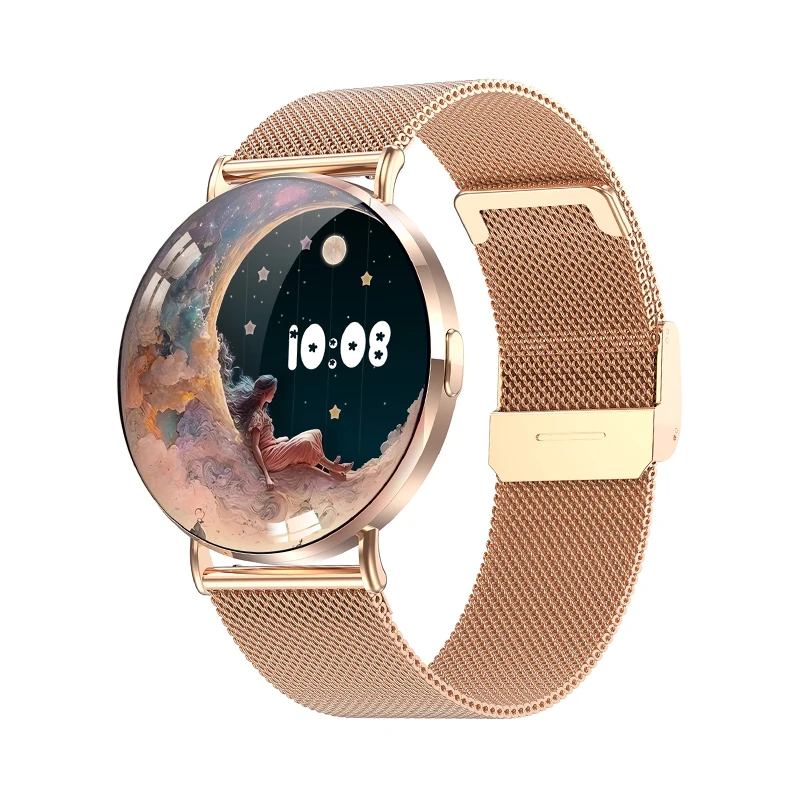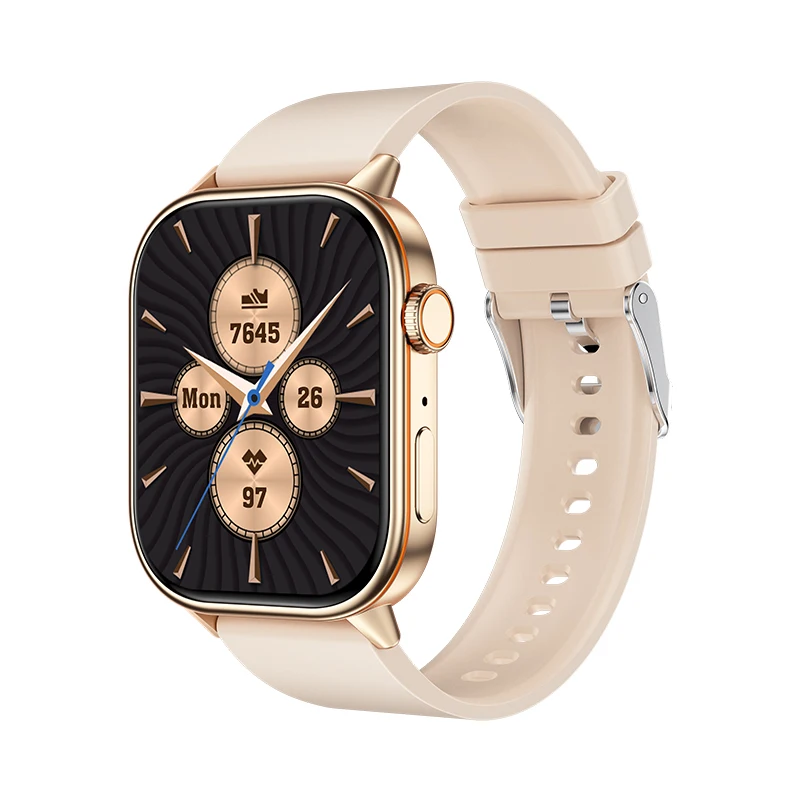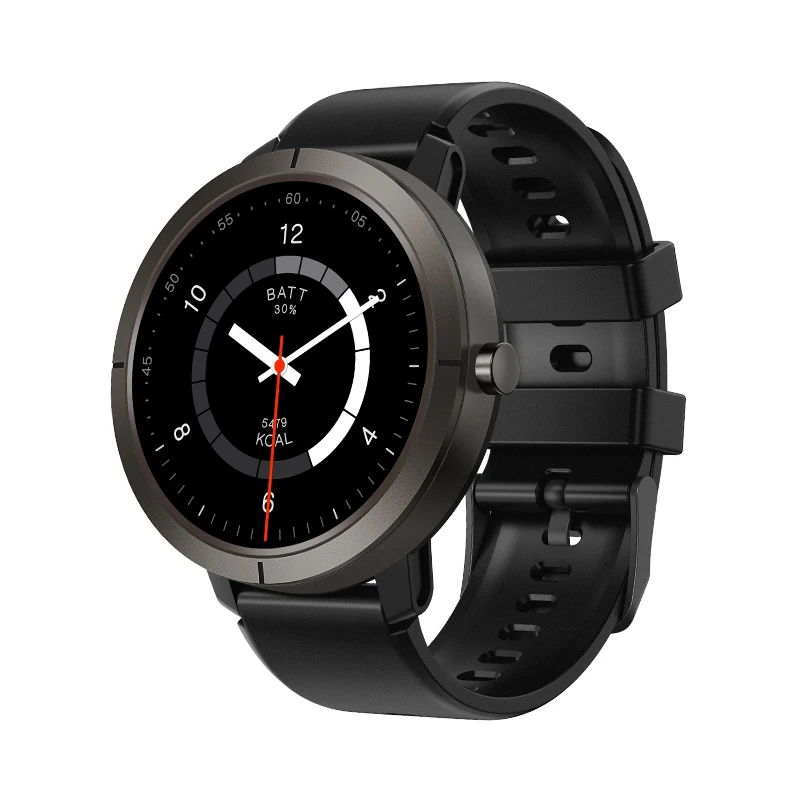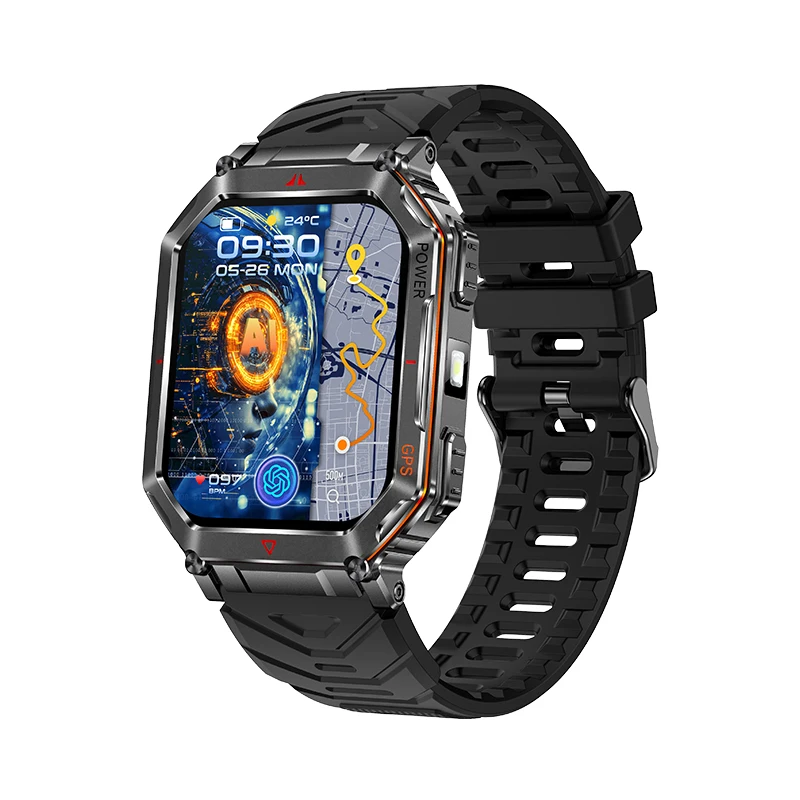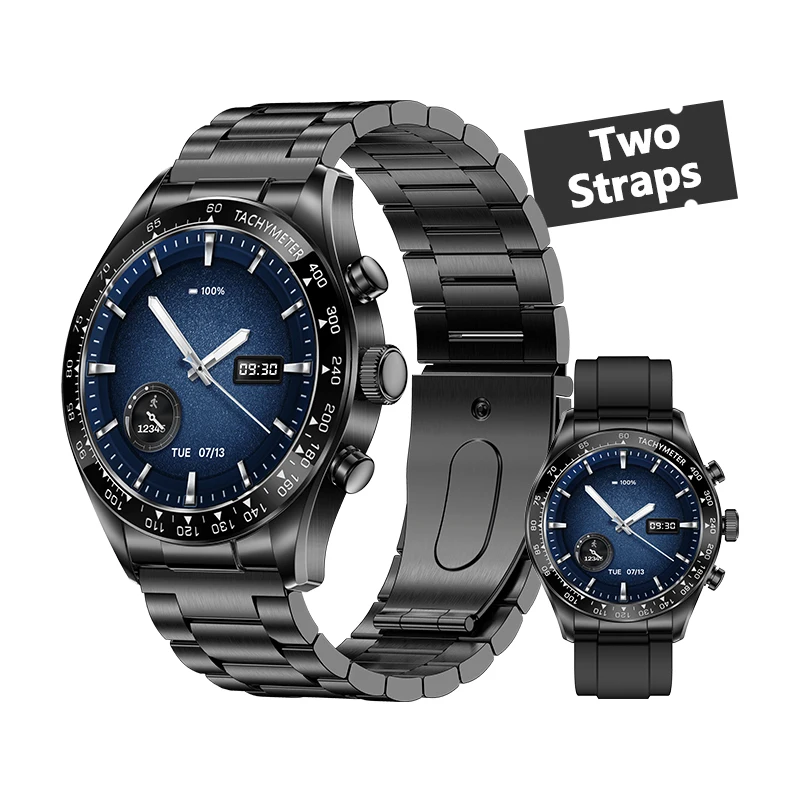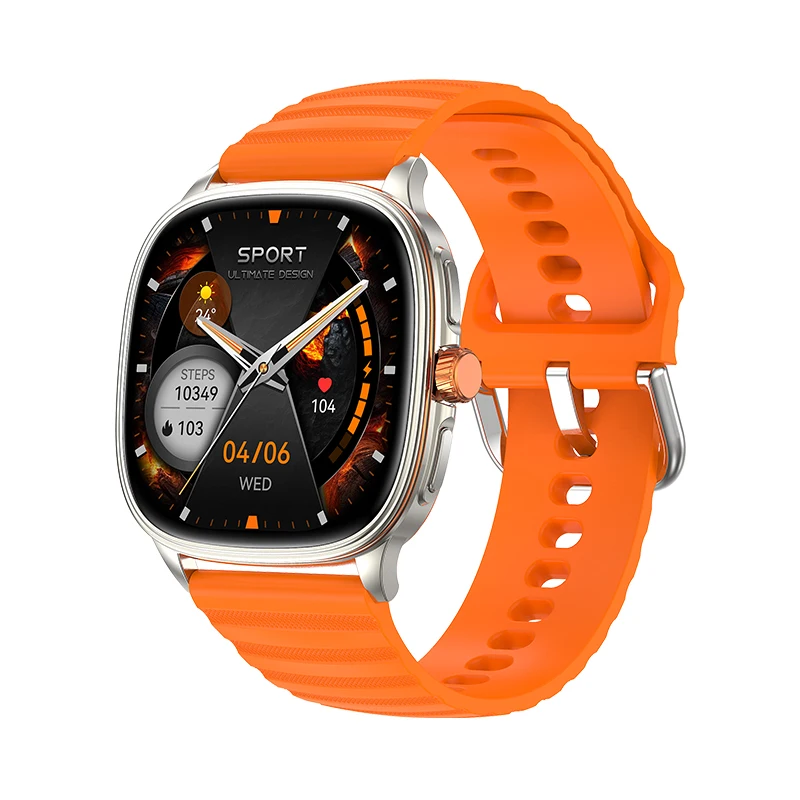
Smartwatches that come with built-in GPS can track important workout details like how far someone runs, their speed, and changes in elevation without having to carry around a smartphone. For people who run on trails, go on bike rides that last hours, or explore backcountry paths where cell service fades away, this freedom from phones makes all the difference. Research indicates that folks who spend time outdoors experience about one third less problems with lost data when they wear separate GPS devices instead of relying solely on their phones according to ASICS findings from last year. What do these watches actually offer? Well, they help keep track of pacing during those intense interval sessions, give proper readings about going up and down mountainsides for serious hikers, and even calculate calories burned based on what kind of ground someone is walking or running across.
Today's smartwatches use several satellite systems at once to pinpoint locations better than ever before. These include GPS from the US, GLONASS from Russia, Galileo from Europe, and China's BeiDou network. When combined, they cut down on signal problems by about two thirds even when conditions aren't ideal, according to research published last year in the Journal of Sports Technology. That means trail runners can stay on course through thick woods without losing their way, city cyclists get good speed readings despite all those tall buildings around them, and hikers find their bearings reliably even in remote mountain valleys. The result? Accurate tracking data that works stand alone without needing a phone nearby.
GPS watches these days are changing how people stay safe thanks to those instant SOS features and crash detection capabilities. The built-in sensors pick up sudden impacts or falls, then the watch will call for help automatically while sending exact location info using multiple satellite systems. This means folks don't have to rely on their phones during emergencies, which matters a lot when someone is out hiking or camping somewhere without cell service. According to some studies from Sewio back in 2025, rescue crews actually get to accident scenes about 27 percent quicker when they have good location details. And there are still those manual panic buttons too, so even if someone gets hurt badly enough that they cant move around much, they can press the button themselves to trigger an alert.
Continuous location tracking isn't just for emergency situations either. It actually provides pretty good proactive protection through something called geofencing technology. When someone with dementia or similar condition starts wandering outside their designated area, caregivers get notified right away. Parents can keep tabs on where kids are going to and from school, while those hiking alone often share their live location with friends or family members back home, which creates these invisible safety nets out there in the wild. The usefulness extends into workplaces too. Facility managers need to know exactly where employees are located quickly if there's a fire breaking out somewhere or maybe a dangerous chemical spill happens. A simple GPS enabled smartwatch manages to strike that balance between letting people be independent and keeping them secure at the same time, so folks don't have to worry about being constantly monitored all day long.
Smartwatches equipped with GPS offer real independence for navigation since they store detailed maps right on the wrist, so there's no need to carry a phone around or rely on cell service. The watch can give directions step by step either through spoken alerts or gentle buzzes, which matters a lot when hiking off the beaten path or wandering foreign cities where signals might be weak. When working offline, these devices keep showing saved routes and nearby attractions, something that cuts down getting lost incidents by about two thirds as per recent research from outdoor safety experts last year. To get the most out of such features, look for models that let users download maps specific to certain regions and automatically adjust routes if needed, all while staying functional even without any web connection.
When GPS tracking runs continuously on smartwatches, it really eats into battery life. Most devices struggle to last beyond 5 to maybe 12 hours because keeping those satellites talking back and forth takes so much power. Manufacturers have started working on better solutions though. Newer chip designs are making improvements by changing how they process signals. These multi-band GNSS processors can work with different satellite systems like GPS, Galileo, and GLONASS at the same time. They figure out which network gives the best signal quality and switch accordingly, which cuts down energy usage somewhere around 15 to 30 percent over older technology. Another trick involves co-processors handling some tasks when GPS isn't actively running. They basically watch accelerometer data to guess where someone might be moving between actual location checks. This clever approach adds extra tracking time, sometimes pushing it an additional 20 to 40 percent longer than before.
For demanding activities, manufacturers implement tiered modes like UltraTrac or Expedition Mode, which sample location less frequently (e.g., every 2 minutes instead of 1 second), disable non-essential sensors (SpO₂, always-on display), and prioritize GNSS battery efficiency over pinpoint accuracy.
| Setting | Battery Impact | Typical Runtime |
|---|---|---|
| Continuous GPS + Heart Rate | High drain | 5–12 hours |
| Smart Recording Intervals | Moderate drain | 12–20 hours |
| Expedition Mode | Minimal drain | 20–30+ hours |
Further conserve power by disabling Bluetooth music streaming (reduces drain by 15–40%), lowering screen brightness, or using monochrome displays during workouts—making extended adventures feasible without sacrificing critical location safety features.
GPS smartwatches offer independence from smartphones, accurate tracking of pace, distance, and elevation, and proactive safety features without the need for an Internet connection.
They provide real-time location sharing, emergency SOS alerts, and crash detection capabilities using multiple satellite systems, which is crucial in areas with limited cell service.
Yes, they store maps and provide turn-by-turn directions offline, which is useful for hiking and traveling in locations with weak or no cell signals.
Smartwatches use modern chipsets and tiered modes to optimize battery life by reducing power consumption and implementing settings like UltraTrac or Expedition Mode.
 Hot News
2026-01-29
2025-12-29
2025-11-27
2025-10-29
2025-09-10
2025-08-13
 EN
EN