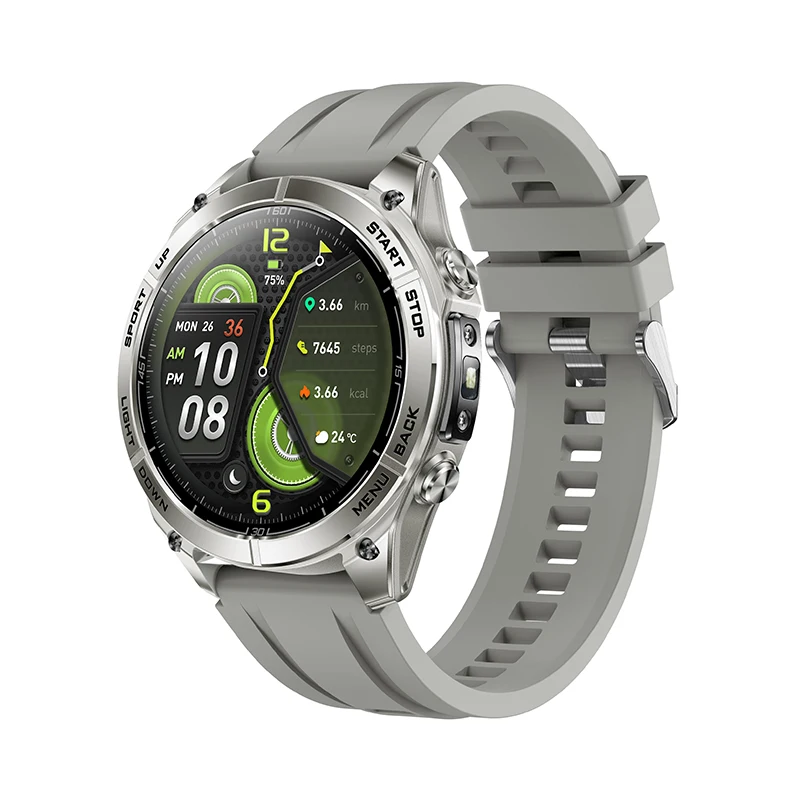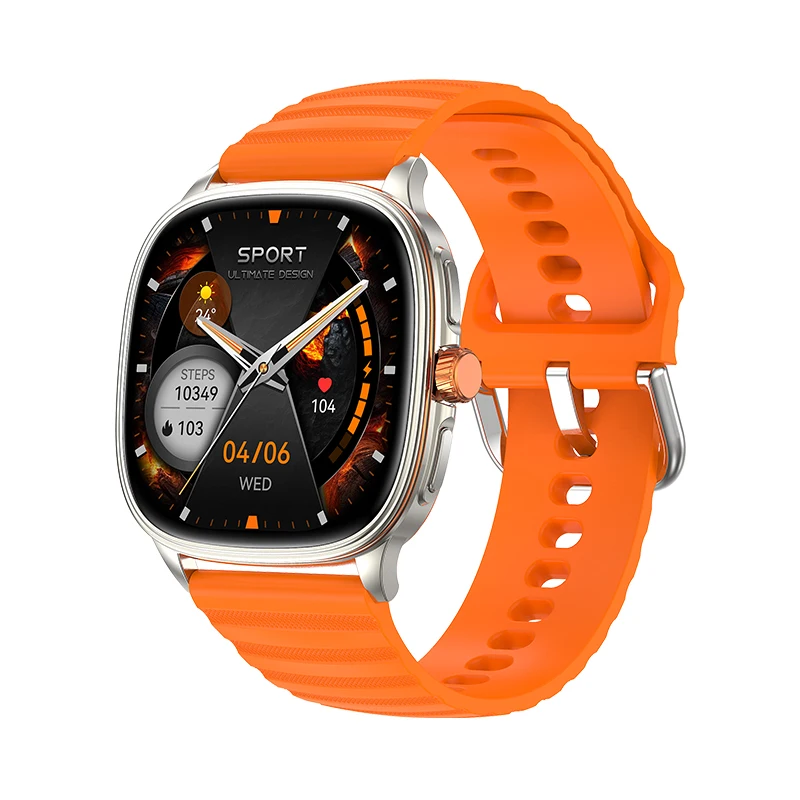
The materials used in lithium ion batteries simply can't go much further than they already have. Right now we're stuck around 250 to 300 watt hours per kilogram for energy density. Because of these physical limits, getting a smartwatch to last longer than two days usually means packing in bigger batteries. If someone wants double the battery life, they end up adding almost as much extra weight too, since battery size grows pretty much straight line with how much power it stores. Companies designing watches basically have to choose between making them thin and sleek or giving them longer runtime. Trying to do both? Not really possible right now from what science tells us. Some promising alternatives like lithium sulfur batteries might change things down the road, but most smartwatches on store shelves today still deal with this basic trade off between weight and battery life. Runners and fitness enthusiasts especially notice this problem when wearing their devices during workouts, where even small increases in weight make a noticeable difference in comfort over time.
Endurance-focused models reveal consistent scaling patterns between battery capacity and mass:
| Operational Duration | Typical Weight Range | Battery Contribution |
|---|---|---|
| 3–5 days | 32–38g | 35–40% of total mass |
| 7–10 days | 41–48g | 50–55% of total mass |
| 14+ days | 55–68g | 65–70% of total mass |
Looking at these performance metrics helps explain why gadgets needing weeks of continuous operation tend to be much bulkier overall. Some lighter materials from aerospace engineering do help cut down on weight somewhat, maybe shaving off around 20 to 30 percent of casing materials, but they still can't really compete with how batteries dominate the total weight equation. Testing shows something interesting too: when watches go over 55 grams, about two thirds of people start complaining about discomfort while wearing them to sleep. That's pretty significant actually. Most designers agree the sweet spot seems to be around 40 grams. At that weight, most smartwatches can last between five and seven days on a single charge while still being comfortable enough for daily wear throughout the day. For high end models focusing on extended battery life, finding this middle ground between weight and performance is critical.
Manufacturers balance longer battery life against sleek designs through deliberate hardware modifications. Extended battery capacity typically requires either thicker cases (adding ~1.2–2.5mm compared to standard models) or footprint-expanding chassis designs to accommodate larger power cells. To counteract added bulk, engineers implement several strategies:
These adaptations demonstrate how battery requirements fundamentally alter construction paradigms, proving that substantial runtime gains inherently compromise svelte aesthetics.
Beyond physical changes, engineers employ semiconductor-level strategies to stretch power reserves. Long battery life smartwatch models prioritize power efficiency through:
These technical sacrifices validate a critical industry truth: Extended operation times require accepting limitations in data richness and real-time responsiveness.
Smartwatches with extended battery life tend to pack on extra weight, often making them 20 to 40 percent heavier than regular versions. Most people find this additional heft uncomfortable after wearing the device all day. Research indicates that around 50 grams starts causing wrist fatigue when sleeping, and even lighter weights around 35 grams become noticeable during exercise sessions. Companies try to offset this problem with specially shaped cases and soft silicone bands, but there's only so much they can do against basic physical principles. Once watches hit over 70 grams, which happens frequently with those claiming weeks of battery life, nearly two thirds of owners take them off at night. That finding comes from recent studies published by the Human Factors and Ergonomics Society looking into how comfortable wearables really are.
Looking at what people actually do versus what specs say tells us there's quite a difference between paper promises and real life experiences. Most folks (around 78%) talk about wanting longer battery life, but research shows something different happens on the ground. Only about 4 out of 10 people will keep wearing gadgets over 45 grams for more than 18 hours straight each day. What we see here is people often choose comfort over those nice long battery claims, taking off their smartwatches even when they still have power left. This gap between expectations and reality shows manufacturers need to think about both how well batteries last and how comfortable products feel during regular use. The happiest customers tend to be those who get around 7 to 10 days of actual usage from devices that don't weigh much more than 60 grams.
When looking at smartwatches with long battery life, it helps to know there are basically three types out there, each with different pros and cons. The fitness trackers are super light stuff, sometimes weighing less than 25 grams, and they last anywhere from 2 to 4 weeks because they have almost no bells and whistles just basic step tracking and heart rate monitoring. No screens, no connectivity either. Then we get to the regular smartwatches that most people actually buy. These typically weigh between 40 and 60 grams and offer around a week or two of battery life while still providing useful features like receiving notifications and making payments. For folks who need something serious though, there are these professional grade models built like tanks. They tip the scales over 70 grams and come packed with special tech such as solar panels so they can keep going for months on end during those long outdoor adventures. The heavier the watch generally means more features but also less portability. So if someone wants something lightweight for just checking steps all day, an ultra light tracker works great. Most consumers find themselves somewhere in the middle wanting both decent battery life and enough smarts to handle daily tasks. But when heading into remote areas where finding power outlets isn't possible, nothing beats those heavy duty pro units.
Why is there a trade-off between weight and battery life in smartwatches?
The trade-off exists due to the inherent limitations of lithium-ion battery energy density. Extending battery life typically requires larger batteries, which adds mass and affects comfort.
What is the optimal weight for a comfortable long battery life smartwatch?
The optimal weight for comfort is around 40 grams, providing a balance between battery longevity and wearability.
How do manufacturers mitigate the added weight from bigger batteries?
Manufacturers utilize strategies such as compartment optimization, material substitution, and curved battery molding to reduce excess weight.
What strategies do smartwatches use to improve power efficiency?
Smartwatches improve efficiency through low-power displays, sensor rationalization, and granular connectivity management.
 Hot News
2026-01-29
2025-12-29
2025-11-27
2025-10-29
2025-09-10
2025-08-13
 EN
EN