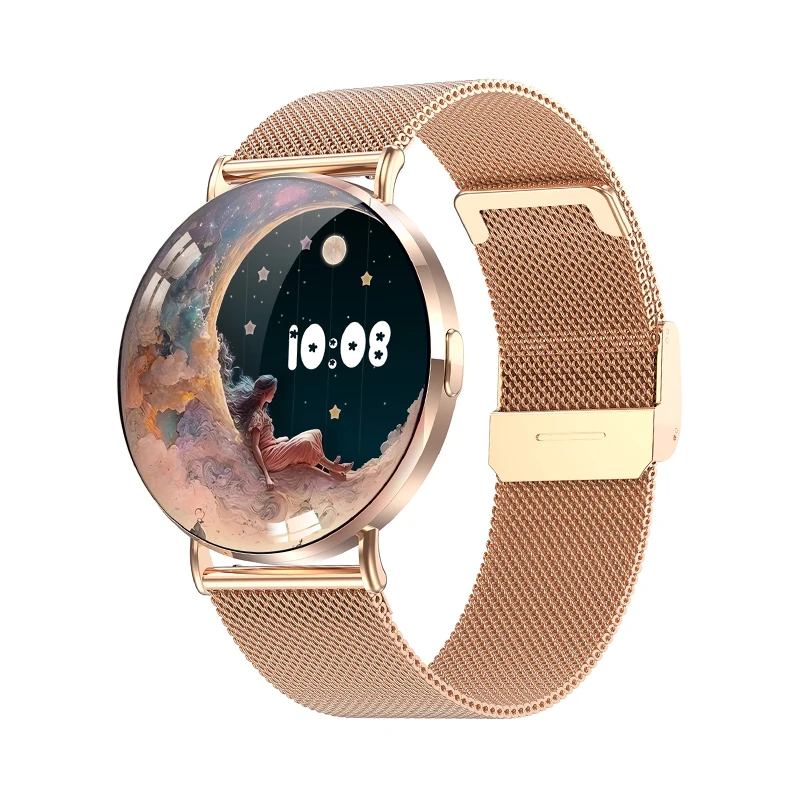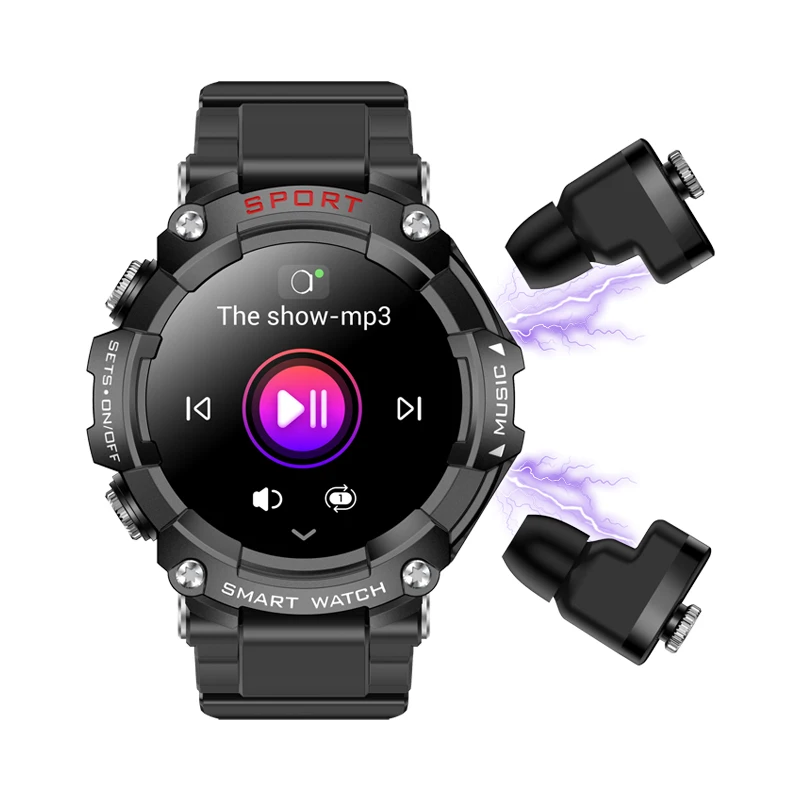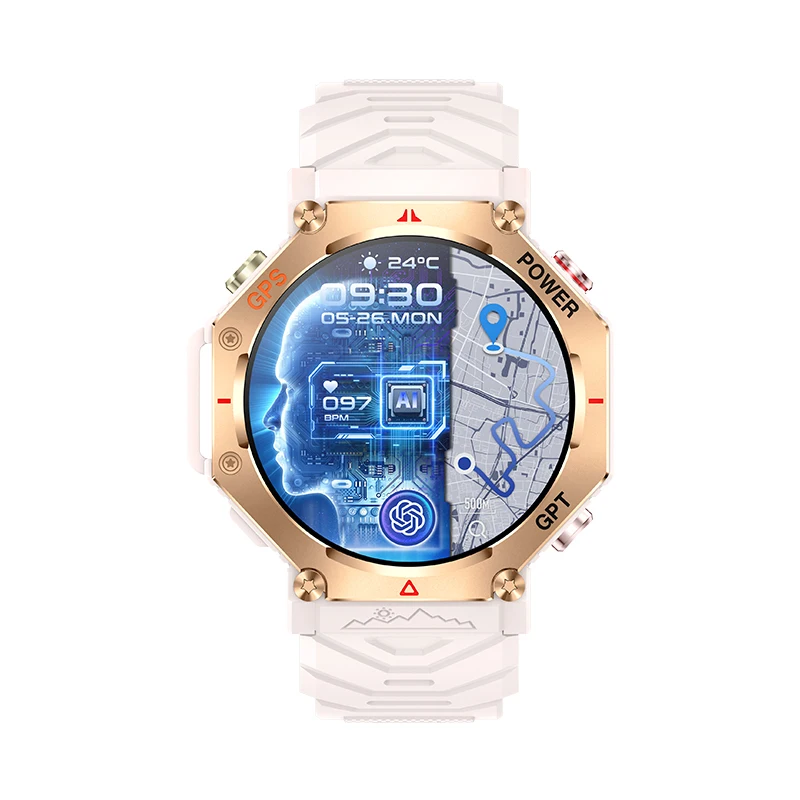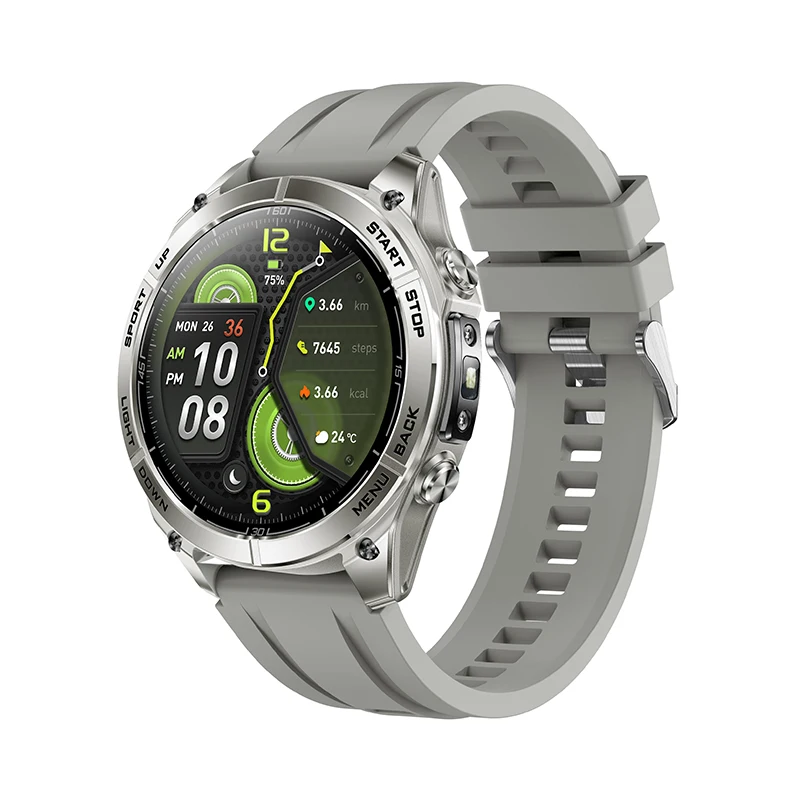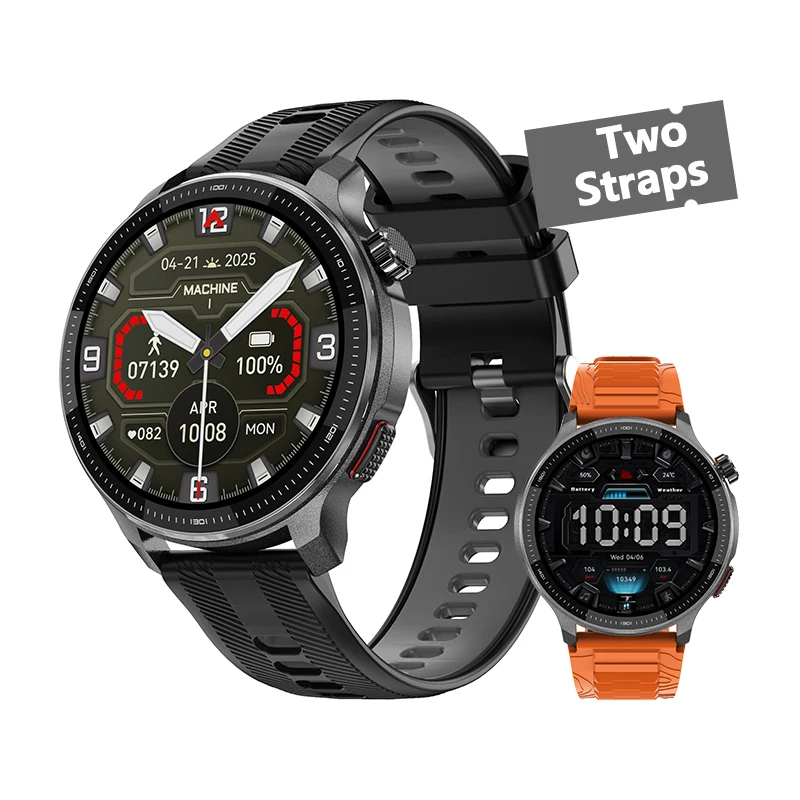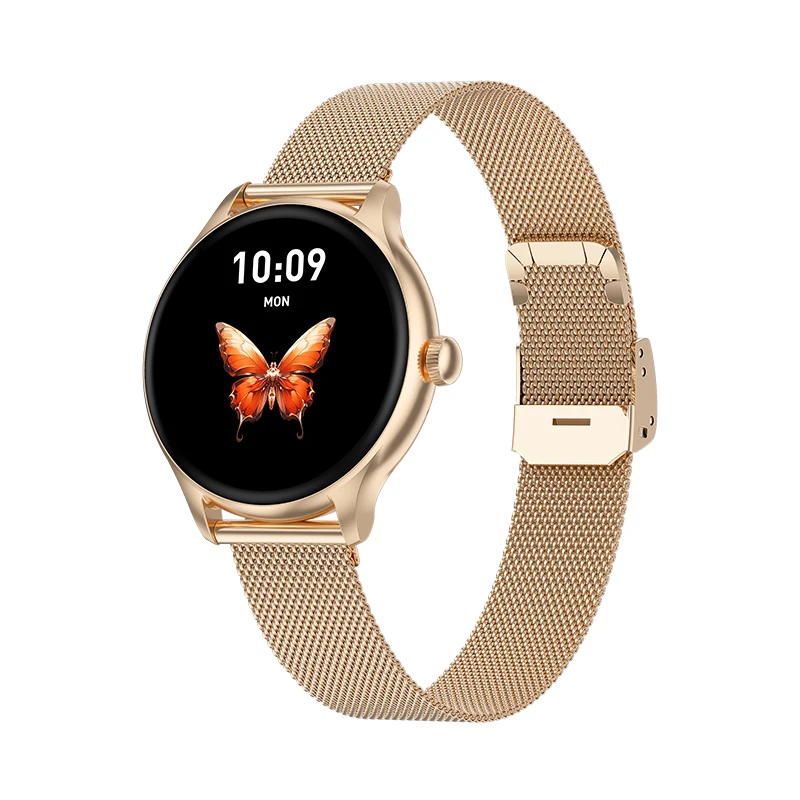
When it comes to how well smartwatches handle water, there are basically three main standards manufacturers follow: ATM ratings, IP codes, and the EN13319 standard. Many people think "waterproof" means their watch can survive anything underwater forever, but honestly, none of us should expect our regular smartwatches to be completely waterproof. A 5ATM rating basically means it can take a few laps in the pool since it's designed for around 50 meters of pressure when stationary. For those wondering about dust, an IP68 rating means it can withstand being submerged in about 1.5 meters of fresh water for half an hour without issues. Then there's EN13319, which gets serious for actual divers. This one only applies to watches meant for depths over 30 meters deep, and it has specific rules about making sure the display remains readable and the device handles pressure changes properly as someone surfaces from below.
Smartwatches rated at 5ATM can handle pressures similar to what they'd face during a 50 meter dive, so they work pretty well for people who train in pools regularly. The IPX8 rating means these watches stay protected even if submerged accidentally in open water environments, although they might not perform perfectly when someone is actually swimming vigorously. Saltwater and chlorine are tough on the seals over time. According to a recent study from Aquatic Tech Report, devices that aren't maintained properly tend to lose around a fifth of their water resistance each year. Triathletes looking for gear that works across different environments often combine both 5ATM and IPX8 ratings for better coverage. Still worth noting though, those intense swimming motions where arms move back and forth quickly can sometimes push past the pressure limits temporarily, especially during sprint sessions.
Modern ratings reflect real-world usage scenarios:
To check how well seals hold up, manufacturers run their products through around 10,000 simulated strokes. They also put them through thermal shock tests, basically seeing what happens when something goes from hot pool water straight into cold air. Even with all these tests in place, most water damage problems still come down to simple user mistakes. According to recent studies, nearly seven out of ten claims happen because people press buttons while submerged or forget to properly dry off charging ports after getting wet. That Wearable Durability Report from last year backs this up. The good news? Most devices have a water lock feature now. Turning it on before going under water stops those annoying accidental touches and actually makes the gadget last longer in the long run. Just remember to turn it back off once you're dry!
Today's smartwatches rely on sophisticated motion sensors combined with clever algorithms to recognize different swimming styles like freestyle, backstroke, breaststroke, and butterfly. These gadgets can get pretty accurate too, hitting around 95% precision when tested in pools under controlled conditions according to the latest sports tech report from 2023. The SWOLF score system works by adding together how many strokes someone takes plus their lap time, giving swimmers a way to track their efficiency improvements over time. Better models stay within about 2% accuracy range for these calculations, which makes the data useful enough for real training adjustments. Take a swimmer who finishes a 30 second lap with just 16 strokes. That gives them a SWOLF score of 46, something they can aim to beat next session as they work on getting more efficient in the water.
Heart rate sensors that use optical technology work under water, though there are some issues with them. When things get rough in the pool or ocean, these sensors tend to be off by about 15 to 20 percent when compared against traditional chest straps according to research published last year in Aquatic Physiology Journal. The main problems come from how water messes with the light signals and all those movements from swimming strokes. Manufacturers have started adding smart software to their latest devices which helps cut down on background noise. As a result, most modern models can track heart rates pretty accurately within plus or minus 5 beats per minute for swimmers who maintain a consistent pace throughout their workout.
Key usability features include:
Together, these reduce post-workout troubleshooting by 40%, according to user behavior studies, enhancing both convenience and device longevity.
Independent testing highlights significant differences between entry-level and premium models:
| Metric | Entry-Level Devices | Premium Models |
|---|---|---|
| Lap Count | ±2 laps/1000m | ±0.5 laps/1000m |
| Stroke Detection | 82% accuracy | 97% accuracy |
| Pace Tracking | ±8 sec/100m | ±2 sec/100m |
Flagship models achieve higher precision through high-resolution gyroscopes that process 200 data points per second, compared to 50 in budget alternatives, reducing false stroke detection and improving overall tracking reliability.
For those who swim in open water, having a good GPS system is really important since waves can mess with signal reception and satellites aren't always visible from the water. The newer dual frequency GPS devices work much better when paired with smart algorithms that predict where someone might be going. According to Marine Tech Journal from last year, these systems cut down on position errors by about 42 percent compared to older models that only used one frequency band. Pool swimmers typically depend on accelerometers to detect turns, but things get trickier out in the ocean. Open water navigation combines GPS signals with information from gyroscopes so swimmers can track their route pretty accurately most of the time, usually within around three meters if everything works just right.
Most smartwatches these days will change their mode automatically when they sense different types of movement. For example, the built-in accelerometers can spot when someone pushes off from a pool wall, which helps explain why around 97% of devices tested manage to track distance within about plus or minus 2%. Things get trickier out in open water though. Research indicates there's usually a bigger gap between what people actually swim and what gets recorded. We're talking roughly 5 to 8% difference in areas with tides because GPS signals get distorted and it becomes harder for the watch to recognize swimming strokes properly, particularly when waves are rough. This makes indoor pool sessions much more reliable than ocean swims for accurate tracking purposes.
Swim-ready smartwatches must endure harsh conditions:
Activating water lock before immersion helps maintain touchscreen integrity and prevents operational errors during workouts.
Smartwatches designed for swimming need tough materials since they get submerged repeatedly during workouts. According to a study from Ponemon in 2023, watches with 5ATM or IP68 ratings generally keep their seals intact for about 18 to 24 months when used regularly in pools, which beats out the basic water resistant models on the market. When it comes to construction, surgical grade stainless steel cases combined with polymer composite bands show around 67 percent less wear and tear compared to aluminum versions after being tested in saltwater conditions. For those athletes training often in oceans or lakes, these tougher materials really make a difference in durability over time.
GPS tracking reduces battery life by 38–45% during 90-minute swim sessions compared to indoor pool mode. To maximize runtime:
High-end models now feature adaptive battery management, prioritizing power for core swim metrics while maintaining over 7 days of standby life between charges.
Testing done by independent groups on water sports equipment reveals that top tier smartwatches can track laps with around 98% accuracy when used in pools where conditions are controlled. But this number changes depending on how someone swims and how consistently they make turns. Looking at data from a recent 2024 survey about wearable tech, most swimmers (about 89%) say comfort matters a lot when their workouts go past 45 minutes. Silicone wristbands tend to hold up better against chlorine damage compared to metal ones. When it comes to surviving harsh environments, watches with actual physical buttons lasted through roughly twice as many saltwater soak tests as models relying solely on touch screens. This points to some real benefits for durability in certain situations.
The basic waterproof fitness trackers can track important stuff like stroke rate and those SWOLF scores, all while costing around half what a fancy smartwatch would set someone back. Premium versions though? They pack in way more environmental sensors, roughly three times as many actually, which lets them tell the difference between saltwater pools and chlorinated ones something that really matters to triathletes training across different environments. For folks just messing around in the local pool, an entry level device works fine most of the time. But anyone serious about open water swimming will find themselves wanting the multi band GPS features and deeper analytics that only come with these top shelf models when they're out there battling currents and trying to maintain proper technique over long distances.
Analysis of 1,200 user reviews reveals recurring concerns:
These issues emphasize the importance of proper maintenance, appropriate material selection, and choosing models designed specifically for aquatic use.
For competitive swimmers out there, looking at devices that have dual frequency GPS plus stroke efficiency analytics makes sense if they want to meet those FINA coaching standards. Regular folks who just do laps in the pool might find budget models more appealing these days, especially ones that automatically detect when they're resting between sets and last about seven days on a single charge. Open water swimmers need something different altogether though. They'll probably get better results from watches that track distance through sonar technology and analyze tidal currents, despite paying around 40 percent more than what someone would spend on basic pool focused gear. When shopping around, don't forget to check how solid the device feels in water, whether sensors actually work accurately under pressure, and if the software gets regular updates. These factors really determine whether an investment lasts beyond one season or two.
A 5ATM rating means the smartwatch can handle pressure similar to a 50-meter dive, making it suitable for swimming laps in a pool.
IPX8 specifies that a device can be submerged in water beyond one meter without permanent damage, while IP68 means it can be submerged up to 1.5 meters for up to 30 minutes.
EN13319 sets standards for diving watches ensuring they remain readable and functional at depths beyond 30 meters, important for safety during dives.
Optical heart rate sensors can be less accurate underwater, with variances of 15–20% compared to chest-strap monitors.
 Hot News
2026-01-29
2025-12-29
2025-11-27
2025-10-29
2025-09-10
2025-08-13
 EN
EN