
 EN
EN
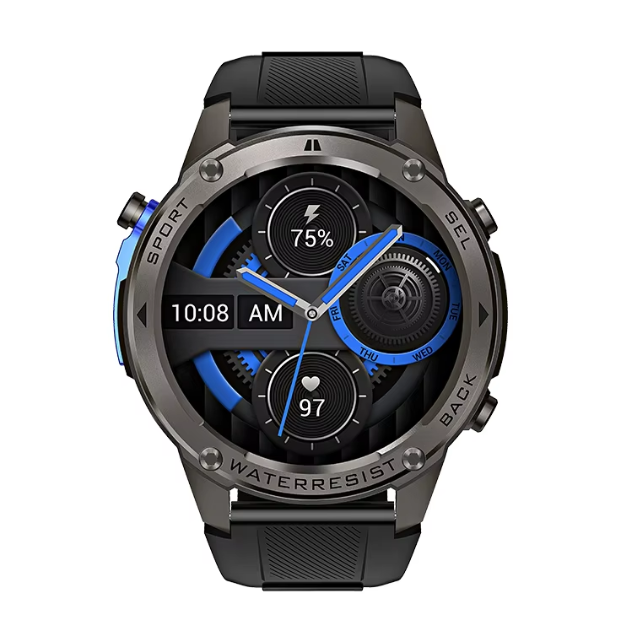
Understanding Water Resistance Ratings for Real Swimming Use
ATM vs. IP Ratings: What 'Swim-Proof' Really Means
Swimmers frequently get confused about those water resistance labels on their gear. Let's start with ATM ratings first. These measure how much static pressure something can handle. Think of it as basically saying 1 ATM is what happens when you're 10 meters deep in water, but remember this is all done in labs with no movement or splashing around. Then there are these IP ratings too. They look at protection from stuff getting inside including water. The top ones like IPX8 mean something can stay submerged continuously according to certain specs. But here's the catch neither rating by itself tells us if something will really work underwater. To be truly waterproof for swimming, devices need both ratings working together. Something rated 5ATM handles the pressure changes when moving through pools while IPX8 keeps water out even after being submerged for long periods. Unfortunately many companies just show one number on packaging which leaves big holes in actual performance. We've seen gadgets that passed basic splash tests but completely failed when someone started doing laps because they couldn't handle side force from arm movements. Anyone serious about using electronics in water should always check for products that clearly state compliance with both standards.
Why 5ATM Is the Minimum—and When You Need 10ATM or ISO 22810 Certification
When it comes to pool swimming, 5ATM is generally considered the bare minimum requirement for waterproofing. However, this rating only accounts for static pressure and doesn't factor in the actual forces created during strokes, which can actually increase pressure by two to three times what's measured at rest. Things get even trickier for those who swim outdoors where they contend with all sorts of challenges like sudden currents, waves crashing against them, and the pressure spikes when diving into the water headfirst. For these situations, getting something rated at least 10ATM makes much more sense. There's also another important consideration called ISO 22810 certification, which is specifically developed for watches intended for use in swimming environments. Regular ATM tests don't cut it here because ISO 22810 actually checks how well a watch performs when subjected to real swimming conditions including movement underwater, changes in temperature, and repeated exposure to different temperatures that make seals shrink in cold water or move around when arms are stretched sideways. Anyone doing serious laps beyond 1 kilometer would be wise to invest in an ISO 22810 certified device. Casual swimmers might find value in dual rated watches (something with both 5ATM and IPX8 ratings) along with clear instructions about maintaining those gaskets properly. Saltwater tends to wear down seals about 70 percent quicker than chlorine treated pool water according to various material studies, so regular maintenance becomes absolutely critical for anyone spending time in ocean environments.
Accurate Swim Tracking Features That Matter Most
Stroke Recognition, Lap Detection, and SWOLF Scoring: Benchmarks for a True Smartwatch for Swimming
When it comes to serious swimming training, just having waterproof features isn't enough anymore. Real value comes from getting useful insights about performance. Modern watches now incorporate advanced motion sensors that can tell the difference between all four main strokes - freestyle, breaststroke, backstroke, and butterfly. Some premium devices hit around 95% accuracy rates even when swimmers are dealing with rough ocean conditions, according to tests done last year in research labs. Another big plus is automatic lap detection which stops people from miscounting laps after tough sessions, especially when doing multiple repeats over long distances. There's also something called SWOLF scoring that combines how many strokes someone takes with their overall time per lap. Basically, the lower the number, the better they're performing technically and pacing themselves correctly. These three key features together make up what should really be considered a smartwatch for swimming. Get one without these functions and basically all anyone gets is a timer watching the clock instead of actually measuring improvement.
Reliable Performance Underwater: Heart Rate, Battery, and Sensor Limitations
Optical HR Accuracy in Water: Why Wrist-Based Monitoring Fails During Strokes—and What Works Instead
Heart rate sensors on wrists just don't work so well when submerged in water. The problem starts because water bends the LED light these devices rely on, messing up how they read blood flow through the skin. Plus, all that wrist movement during strokes like freestyle or butterfly means the sensor keeps losing contact with the skin surface. Research indicates that accuracy plummets somewhere between 30 to 50 percent when swimming compared to regular land workouts. For anyone serious about tracking heart rates in the pool, chest straps with BLE technology still reign supreme. These little gadgets stick right to the torso where there's less movement and no water getting in the way. They clock in at around 95% accuracy no matter what kind of swim someone is doing or how hard they're pushing themselves. That makes them pretty much essential equipment for anyone wanting to properly monitor intervals, set target paces, or check out recovery times after intense sessions.
Battery Life Impact of Continuous Swim Mode and GPS Usage
When swimming gets tracked alongside GPS and heart rate monitoring, it really taxes the battery life of these devices. Turn on all those functions at once and most watches will last only about half as long as they normally do in regular mode. Down deep underwater, the need for watertight cases means smaller batteries inside, which cuts down on power even though everything needs more energy now. Anyone planning longer swims out in the open water should look for watches that handle this situation better, since shorter battery life can be a real problem during extended sessions beyond an hour mark.
- Minimum 10-hour total battery life in full swim mode
- Low-energy GPS chipsets (e.g., Sony CXD5603)
- Quick-charge capability (¥80% in 45 minutes)
Avoid devices where activating swim mode cuts battery life in half—this signals inadequate power optimization for athletes who rely on uninterrupted data capture.
Beyond the Pool: Environmental Durability and Real-World Suitability
When looking for a real swim smartwatch, reliability matters everywhere from poolside to mountaintops. Some field tests actually found failure rates jump around 60% for devices that aren't built for multiple environments. Look for watches rated IP68 against dust and particles plus MIL-STD-810H certified for shocks so they can handle rough terrain whether hiking rocky beaches or scrambling mountain trails. The durability story goes deeper than just keeping water out though. Sunlight can make screens harder to read because UV exposure boosts glare by roughly 40%. Saltwater slowly eats away at charging ports and seals if not properly protected. Top tier models fight back with sapphire glass covers, ceramic bezels that stand up to abrasive sand, and clever thermal systems that keep things cool even during hot desert workouts or prevent sluggish response times in cold winter conditions. All this engineering pays off with accurate tracking no matter if someone is counting laps in the ocean, timing trail runs, or monitoring heart rate while cycling through alpine passes.
FAQ
What is the difference between ATM and IP water resistance ratings?
ATM ratings measure static pressure something can handle under water, while IP ratings evaluate the protection against water ingress. For true waterproofness in swimming, both ratings are needed.
Why is 5ATM considered the minimum for swimming?
5ATM is considered the minimum for swimming because it accounts for static pressure. However, higher ratings like 10ATM are recommended for outdoor swimming due to additional environmental factors.
Can wrist-based heart rate monitors work underwater?
Wrist-based heart rate monitors often fail underwater due to distorted LED sensors. Chest straps using BLE technology are more reliable with better accuracy.
Why is battery life important in swim watches?
Battery life impacts swim watches greatly when combined with GPS and heart rate monitoring. Watches with longer battery life are preferable for extended open water sessions.


