
 EN
EN
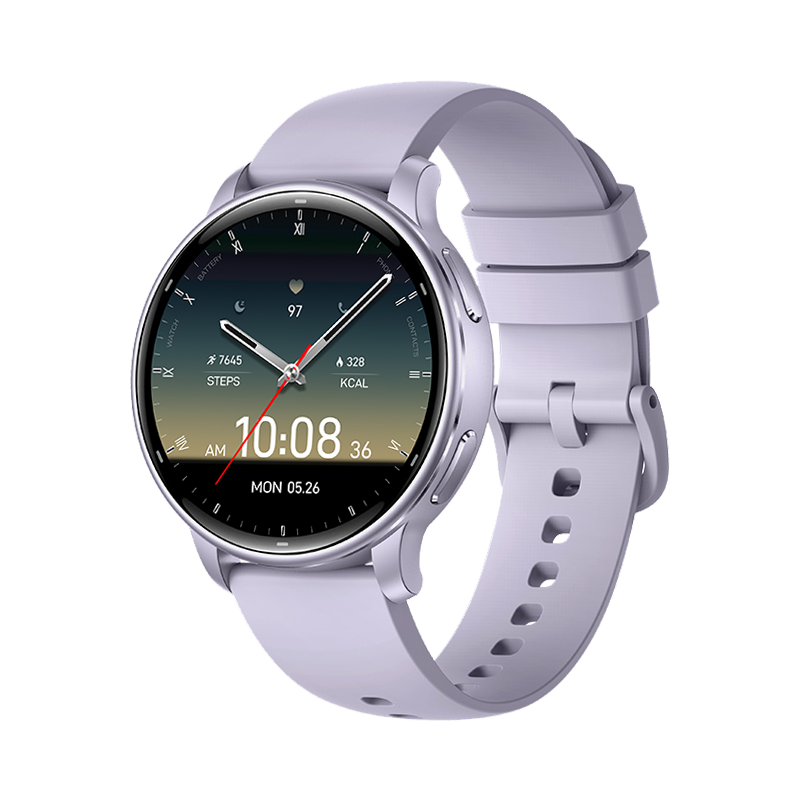
The Weight on Your Wrist Matters More Than You Think
There's a moment in every gym session—usually around the third set of a heavy compound movement—when the watch on the wrist starts to feel like it weighs twice as much as it did ten minutes ago. Fatigue does strange things to perception. But for many women, that feeling isn't just about exhaustion. It's about a device that was never designed with their wrist size or daily comfort in mind.
The smartwatch industry has spent years chasing bigger screens, longer battery life, and more sensors. What it hasn't always chased is a better fit for the people actually wearing these devices. For women in particular, the question of weight isn't cosmetic. It's functional. It affects everything from workout performance to sleep quality to whether the watch gets worn at all.
What Lightweight Actually Means in Practice
A lightweight smart watch for women isn't just about shaving off a few grams for marketing purposes. It's about what those grams do to the wearing experience over the course of a full day—and especially during exercise.
Consider the numbers. A 40mm Apple Watch weighs around 26 to 30 grams without the band. Some purpose‑built lightweight models come in under 35 grams for the watch body alone. That might not sound like much of a difference, but on a wrist with a circumference of 13 to 15 centimeters—which is common for many women—an extra ten grams translates into noticeable pressure points during wrist flexion.
During a push‑up, a burpee, or a kettlebell swing, the watch shifts. Heavier devices shift more, and they shift with more momentum. That means the watch isn't just sitting there passively—it's actively moving against the skin, creating friction, and in some cases interfering with the natural movement of the wrist.
The Sleep Tracking Paradox
Here's where the weight issue gets interesting: the same women who want to track their sleep are often the ones who find their watches too uncomfortable to wear overnight.
Sleep tracking requires consistent overnight wear. That's non‑negotiable. But a watch that feels fine during the day can become a nuisance at night, especially during the lighter stages of sleep when any pressure on the wrist can cause the wearer to shift position or wake up briefly.
Some of the most popular watches for women weigh between 32 and 38 grams. That's light enough that many users report forgetting they're wearing it. But push that number up to 45 or 50 grams, and the overnight wearing rate drops significantly. The data shows that people simply don't wear devices that bother them during sleep—and if they're not wearing them, the sleep data doesn't get collected.
Design Trade‑Offs: What Gets Sacrificed for Lightness
There's no free lunch in hardware design. Making a watch lighter usually involves trade‑offs somewhere else.
Battery capacity is the most obvious one. A smaller battery means a lighter watch, but it also means shorter runtime. Some lightweight models prioritize slimness over endurance, and users end up charging every day or every other day. For women who want both lightness and multi‑day battery life, the options narrow considerably.
Materials also matter. Aluminum and titanium are lighter than stainless steel, but they can feel less premium to some users. Polymer cases are even lighter, but durability can be a concern for gym use. The best lightweight designs find a balance—using premium materials where they matter most (like the case back and bezel) and lighter materials where they don't (like the mid‑frame and strap connectors).
A Closer Look at How Weight Affects Workout Performance
During high‑intensity interval training or dynamic gym sessions, wrist‑mounted devices experience significant acceleration forces. A heavier watch doesn't just feel heavier—it actually requires more energy to move with the arm. That energy comes from the wearer.
Is the difference meaningful? For a casual user doing moderate exercise, probably not. But for someone training four or five times a week, those small inefficiencies add up over time. A few extra grams on the wrist means slightly more fatigue in the forearms during push‑ups. Slightly more distraction during kettlebell swings. Slightly less comfort during planks.
The cumulative effect is that a lighter watch simply gets in the way less. It allows the wearer to focus on the movement rather than the device. That's the real advantage—not the spec sheet, but the reduction in cognitive and physical friction during exercise.
What Women Actually Say About Wearing Smartwatches
In a recent informal survey of female gym‑goers across several fitness communities, the most common complaint about smartwatches wasn't about features, accuracy, or battery life. It was about fit. Watches that were too large for their wrists. Watches that dug into the skin during wrist extension. Watches that felt like they were constantly sliding around during dynamic movements.
One respondent described her experience with a 44mm watch this way: "Every time I did a burpee, I could feel the watch shift, and I'd have to readjust it before the next rep. It broke my concentration." She switched to a 40mm model that was about eight grams lighter and reported that the issue disappeared almost immediately.
Another noted that she stopped wearing her watch to bed entirely because the weight and bulk made it impossible to sleep on her side without the watch pressing into her wrist. She now uses a smaller, lighter device specifically for overnight tracking and keeps her primary watch for daytime use.
These aren't edge cases. They're representative of a broader pattern: women are more likely to abandon a smartwatch that doesn't fit well, and fit is heavily influenced by weight and case size.
The Numbers That Tell the Story
Here's a comparison of how weight impacts key usage metrics:
| Watch Weight Range | Typical Wrist Fit | Overnight Wear Rate | Gym Comfort Rating |
|---|---|---|---|
| Under 30g | Excellent for small wrists | High | Very comfortable |
| 30–35g | Good for most wrists | Moderate to High | Comfortable |
| 35–40g | Acceptable for medium wrists | Moderate | Some discomfort during dynamic moves |
| Over 40g | Best for larger wrists | Low | Noticeable during high‑intensity work |
The data suggests a clear threshold: once a watch crosses the 35‑gram mark, the likelihood of consistent overnight wear drops noticeably. For gym use, that threshold is even lower—around 32 grams—because dynamic movements amplify the effect of weight on the wrist.
The Reality of Everyday Wear
A smartwatch isn't just a workout tool. It's something that gets worn to the office, to dinner, to bed, and back to the gym again. Lightweight design isn't about making the watch disappear—it's about making it unobtrusive enough that the user doesn't have to think about it.
For women who wear watches throughout the day, a lightweight design means less interference with typing, less catching on clothing, and less of that annoying clunk against desk surfaces. It means the watch can be worn with dress shirts and blouses without pulling the fabric. It means the device becomes an accessory rather than an obstacle.
The best lightweight smart watches for women don't compromise on the essentials. They keep the core health sensors, maintain reasonable battery life, and provide a comfortable fit that encourages consistent use. The trade‑offs are in areas that matter less to the typical user—things like massive storage, LTE connectivity, or oversized displays.
What to Look For
When evaluating a lightweight smart watch for women, the key metrics are straightforward:
-
Case size under 42mm for smaller wrists
-
Watch body weight under 35 grams
-
Strap that doesn't add excessive bulk
-
Battery life that supports overnight wear without daily charging
-
Sensor placement that doesn't create pressure points during wrist flexion
The rest is personal preference. Some users prioritize aesthetics. Others care more about the companion app experience. But the foundation—the thing that determines whether the watch gets worn consistently—is how it feels on the wrist.
HXJ manufactures lightweight wearable devices with a focus on ergonomic design and comfortable fit, recognizing that a watch that doesn't feel right won't get used—no matter how many features it packs in.
Table of Contents
- The Weight on Your Wrist Matters More Than You Think
- What Lightweight Actually Means in Practice
- The Sleep Tracking Paradox
- Design Trade‑Offs: What Gets Sacrificed for Lightness
- A Closer Look at How Weight Affects Workout Performance
- What Women Actually Say About Wearing Smartwatches
- The Numbers That Tell the Story
- The Reality of Everyday Wear
- What to Look For


