
 EN
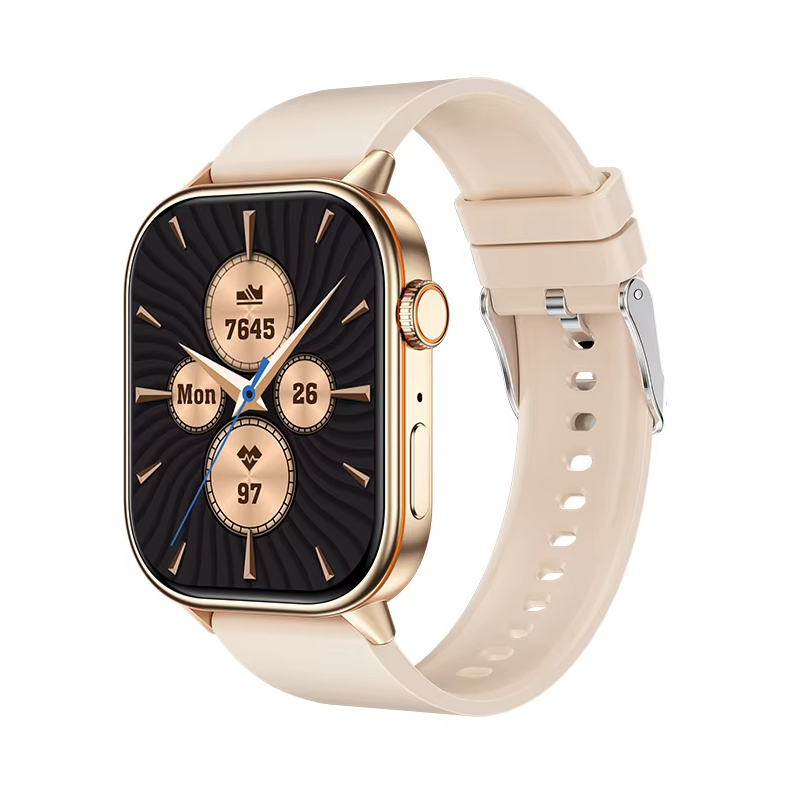
The Core Job Is Reachability, Not Entertainment
A parent handing a child a communication device usually wants one thing: a reliable way to reach them after school, at practice, or on the walk home. A smartwatch for kids is built around that job. Calls, voice messages, location sharing, and a short contact list come first. Games and cameras may exist, but they sit behind parental settings. A smartphone starts from the opposite direction. It is a general purpose computer with a communication app on top, and that design choice changes daily life.
For a nine year old, the difference is not cosmetic. A phone invites browsing and notifications. A watch with LTE or Bluetooth narrows the interface to a few actions. That constraint is the feature.
Parental Controls That Match a Child's Actual World
Parental controls on phones often feel like a patch over a leaky pipe. App blockers, time limits, and content filters need constant updates, and children learn workarounds quickly. A kids smartwatch usually manages contacts at the network or account level. Only approved numbers can call in or out. School mode can mute non emergency functions during class. Geofence alerts can notify a guardian when a child arrives at home or school.
That model is not perfect, but it matches how younger children move through the day. The device belongs to a supervised account. The parent remains the administrator. Families who tried a phone first often find the watch feels less like a toy and more like a communication tool with boundaries.
The Smartphone Tax Goes Beyond the Sticker Price
The purchase price is only the first bill. A child's smartphone often brings a case, higher data plan, insurance, replacement costs, and social pressure to upgrade. A smartwatch for kids tends to sit in a lower price band, with plans for low data use. Battery life varies, but many LTE watches last a school day with moderate use.
The table below compares common factors in family decisions.
| Factor | Smartwatch for kids | Smartphone for a child | Note |
|---|---|---|---|
| Primary goal | Reachability, location | General purpose apps | Product category |
| Contact control | Guardian managed whitelist | Open unless locked down | Settings vary |
| Screen media | Calls, voice notes, location | Tweens averaged 4h44m daily | Common Sense Media, 2019 |
| Classroom distraction | Fewer apps, smaller screen | Notifications and games | School policies differ |
| Hardware cost | $40 to $150 | $150 to $800 | Retail ranges, 2024 |
| Emergency contact | One touch to guardians | Full call and text | Field use reports |
Data alone does not make the choice. A family with a child in competitive sports may need two way calling and quick location checks. A family with a child who takes public transit may value arrival alerts. The pattern is consistent: the watch solves communication and location with fewer side doors.
Attention, Social Pressure, and the School Day
Schools see the difference in small moments. A phone buzzes in a backpack and pulls attention away from a lesson. A watch on a wrist can be set to silent, with only guardians able to break through. Teachers in several districts have reported fewer conflicts over phone use when younger students use watches instead.
Social pressure also shifts. A phone becomes a status object, with model and app choices visible to peers. A watch is more utilitarian. It still carries brand meaning, but the feature set is narrower. That reduces comparison for children not ready for a full social media identity. The tradeoff is real: some kids feel left out, and a watch cannot run the same group chats. Parents have to weigh belonging against distraction.
What a School Pilot Revealed About Real Usage
In a 2023 pilot across three primary schools in southern China, 240 students used LTE smartwatches with guardian managed contact lists for eight weeks. Field logs showed that voice calls and location checks accounted for most usage. Teachers reported fewer classroom interruptions than in a previous term when older students carried phones, though the comparison was not a controlled study.
The pilot also exposed limits. Some children wanted stickers and games, which required stricter settings. A few parents expected full messaging app support and were disappointed. Battery life dropped on heavy calling days. The lesson was not that watches beat phones in every case. A narrow communication device reduced daily friction for younger children, while older teenagers still needed phones for school apps, transit passes, and part time work.
Limits Worth Admitting Before Choosing a Watch
A smartwatch for kids is not a smaller smartphone. It cannot replace a phone for homework portals, banking, or complex messaging. Screen size limits typing and map reading. Coverage depends on carrier bands and local network support. Parents who need full app compatibility may end up buying a phone later.
The better question is not which device is more advanced. It is which device fits the child's maturity, family needs, and school rules. For many families with children ages six to twelve, a watch covers the core job with fewer distractions and a lower monthly cost. For teenagers, a phone often becomes necessary, and the watch turns into a companion for fitness or quick notifications.
For brands and retailers sourcing this category, Karen M has built a reputation around smart wearable manufacturing, quality control, and supply chain coordination. The company's Shenzhen base gives access to mature component ecosystems, helping partners move from concept to reliable production. That behind the scenes capability matters when families depend on a watch to make the school run safer and simpler.


