
 EN
EN
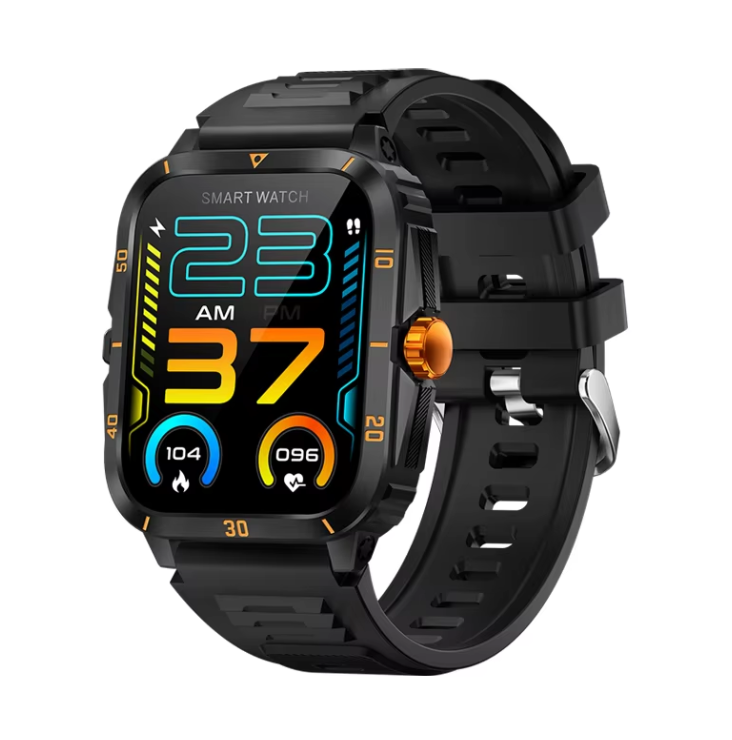
How pedal cadence shapes long‑distance cycling performance
Pedal cadence describes the number of complete crank rotations per minute while riding. Many amateur cyclists judge workout intensity purely by speed or heart rate without paying attention to cadence data. High‑force low‑cadence pedaling puts sustained heavy stress on knee joints and quadriceps muscles. Excessively fast spinning without proper resistance wastes physical stamina. A sports smart watch capable of cadence tracking delivers real‑time crank rotation metrics, creating another critical data layer for training assessment. Readings can come from paired external cadence sensors or algorithm‑estimated values processed inside wearable hardware. Neither approach delivers perfect measurement, yet consistent cadence data helps riders refine pedaling technique over repeated training sessions.
Real‑world observations from local amateur cycling team training adjustment
One regional amateur cycling club carried out multi‑week technique optimization for recreational long‑distance riders. Most club members relied only on heart rate and GPS speed data before the adjustment phase. Several participants consistently pushed large gear ratios with low pedal turnover, reporting recurring dull knee soreness after weekend group rides. Riders paired wearable units with cadence sensors and followed real‑time feedback during each outing. Over successive training weeks, participants gradually shifted toward moderate cadence ranges suited for endurance riding. Post‑training feedback showed reduced knee discomfort for most members. This practical club‑training case illustrates how cadence visibility brings tangible changes to riding posture and joint stress, even for non‑professional cycling participants.
Comparison of common cadence data acquisition approaches for cycling wearables
Reference information draws from cycling‑wearable field test records published by outdoor sports‑technology laboratories. The table below outlines practical traits of mainstream cadence tracking solutions.
| Cadence Acquisition Mode | Hardware Requirement | Real‑time Reading Stability | Notable Practical Limitations |
|---|---|---|---|
| Watch paired with external cadence sensor | Separate crank‑mounted sensor | High under normal riding | Extra component needs periodic battery replacement |
| Watch algorithm‑based estimation | No extra physical sensor | Moderate, road‑condition interference | Deviation rises on bumpy or uneven pavement |
| Bike computer dedicated sensor kit | Full bicycle‑mounted head unit | Very high | Cannot share data with wrist‑worn daily wearable |
Cadence data for injury prevention and endurance training tuning
Steady cadence metrics support injury risk reduction for regular cyclists. Biomechanical research for endurance cycling notes that sustained low‑cadence high‑torque pedaling raises cumulative knee‑joint load. Real‑time numbers from a sports smart watch give immediate feedback whenever riders slip into inefficient heavy‑gear pedaling patterns. Riders can adjust gear selection without waiting until post‑ride report review. Cadence figures also help structure endurance workouts. Sustained mid‑range cadence assists fat‑burn focused long rides, while higher cadence intervals fit sprint‑oriented training segments. Data alone cannot eliminate joint injury risk; it acts only as reference material for riding habit correction.
Data synchronization and workflow compatibility for cycling training logs
Captured cadence values gain extra value through post‑ride analysis. Modern wearables push combined datasets including cadence, heart rate, GPS speed and elevation to cycling‑focused mobile platforms. This aggregated record lets riders compare pedaling patterns across hill climbs, flat stretches and downhill segments. Many basic‑function wrist‑watches only store distance and heart rate. Without cadence streams, training logs miss critical context behind speed fluctuation. It remains important to understand synchronization constraints. Bluetooth connection drop‑outs during bumpy trail sections may create gaps within recorded cadence sequences.
Practical boundaries of cadence‑focused cycling wearable tools
Cadence tracking brings meaningful reference value, but measurable constraints appear during real‑world usage. Several key points deserve attention.
- Algorithm‑estimated cadence tends to drift on rough gravel roads and rugged off‑road routes.
- Sensor‑paired solutions demand proper installation and regular power‑source maintenance.
- Optimal cadence ranges differ across individual riders, body build and bike setup.
- Collected cadence data serves only as training reference and cannot replace professional sports coaching advice.
Balanced training assessment combines multiple data streams rather than leaning solely on pedal turnover figures. Karen M Electronics maintains mature wearable hardware development capacity. Its sports‑oriented watch lineup supports external sensor pairing and multi‑metric workout logging, delivering adaptable wearable solutions for global cycling‑enthusiast markets.
Table of Contents
- How pedal cadence shapes long‑distance cycling performance
- Real‑world observations from local amateur cycling team training adjustment
- Comparison of common cadence data acquisition approaches for cycling wearables
- Cadence data for injury prevention and endurance training tuning
- Data synchronization and workflow compatibility for cycling training logs
- Practical boundaries of cadence‑focused cycling wearable tools


