
 EN
EN
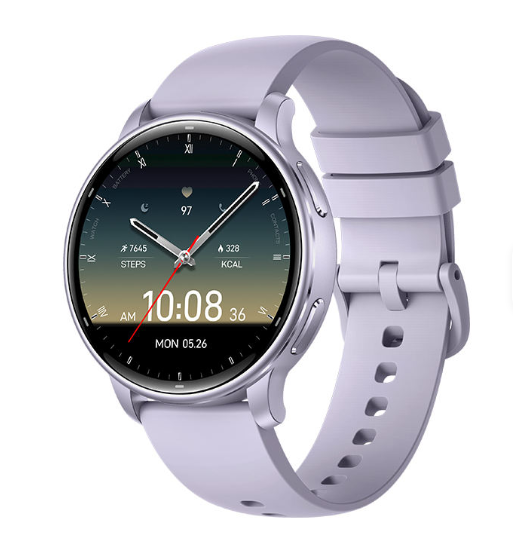
Physiology-Aware Fitness Tracking for Active Women
GPS and motion sensing optimized for running, yoga, strength, and low-impact activities
Smartwatches designed for women incorporate advanced motion detection tech and GPS systems tailored to how female bodies move. These devices pick up on subtle changes in stride patterns and joint positioning when running, measure how deep someone goes into a yoga pose, and recognize different weightlifting exercises thanks to their three-dimensional movement sensors. What sets them apart from generic fitness trackers is that they factor in things like women's naturally lower center of gravity and increased ligament flexibility which affects how we move efficiently and what injuries we might be prone to. The result? No more inflated step counts during everyday strolls but accurate tracking of actual workouts like Pilates classes or barre sessions where it's those tiny supporting muscles that really get worked out.
VO₂ max estimation, recovery metrics, and rep counting calibrated for female metabolic and muscular response
Smart systems now take into account how hormones work differently in female bodies along with their distinct muscle makeup. When calculating VO₂ max, these systems look at how estrogen affects how efficiently oxygen gets used throughout the body, not just what happens in the lungs. Recovery time calculations also consider how progesterone impacts when someone feels tired and how metabolism slows down during certain parts of the menstrual cycle. For strength training repetitions, the focus shifts toward when muscles actually reach exhaustion points since women tend to tire quicker than men generally do. After workouts, there's special attention paid to inflammation caused by hormonal changes so people don't underestimate how much rest they really need. Standard recovery charts often miss the mark by around 8 to 12 extra hours when progesterone levels are high according to recent studies from sports physiologists in 2023.
| Gender-Specific Metric Adjustments | Male-Targeted Algorithm | Female-Calibrated Algorithm |
|---|---|---|
| Strength Training Rep Counting | Detects high force output | Prioritizes endurance failure |
| VO₂ Max Calculation | Lung capacity focus | Oxygen utilization efficiency |
| Recovery Timeframe | Fixed 48-hour baseline | Hormone-adjusted (24–60 hrs) |
Cycle, Hormone, and Life-Stage Health Monitoring
Menstrual and ovulation tracking with predictive symptom insights and hormonal phase correlation
Modern smartwatches track things like nighttime skin temp and resting heart rate patterns throughout the month, which helps them spot small hormonal changes during different parts of the menstrual cycle. Studies have found these devices can actually predict when someone is likely to ovulate around 89 percent of the time by looking at how body metrics line up with what happens hormonally inside. What makes this really useful is that people get advance warning about common symptoms such as water retention, tiredness, or emotional ups and downs sometimes several days ahead of when they actually appear. The algorithms behind these watches learn from each person's unique cycle over time, so recommendations about exercise levels, food choices, and sleep schedules become more tailored. And there's another benefit too: if something seems off track, like when periods don't come regularly for months on end, the device will alert users. These alerts can be important early signs pointing toward issues like polycystic ovary syndrome, prompting women to talk to their doctors sooner rather than later.
Pregnancy readiness, pregnancy progress, and postpartum recovery support in smart watches for women
Advanced wearable tech goes way beyond just tracking fertility cycles these days. They actually provide comprehensive support throughout different phases of reproductive health. When trying to conceive, these devices create baseline readings of things like heart rate variability and how well someone sleeps at night, which helps determine when the body might be ready for conception. Once pregnant, special software keeps an eye on what kind of activities are safe while also watching out for strange changes in vital signs. Some even send reminders about counting kicks so moms can track their baby's movements regularly. After giving birth, the focus turns to getting back on track physically. The wearables look at how quickly heart rate variability returns to normal during sleep, suggest gradual increases in physical activity, and monitor overall stress response levels. All this information allows new moms to manage both their recovery from childbirth and taking care of their newborns without overdoing it. The guidance adapts over time too, offering suggestions about light exercise routines, best times to eat, and ways to maintain good mental health based on long term data patterns collected throughout their journey.
Stress, Sleep, and Recovery Insights Aligned with Female Autonomic Rhythms
HRV interpretation across menstrual phases—and why luteal-phase baselines differ
When looking at Heart Rate Variability (HRV), it's important to remember that hormones play a big role too. During the luteal phase when progesterone levels rise, women tend to see their autonomic nervous system become less flexible. This actually causes resting HRV to drop somewhere around 8 to maybe even 15% lower than usual. But don't panic! This isn't some kind of warning signal about poor recovery, just part of the normal monthly cycle. The newer generation of smartwatches designed specifically for female bodies can tell the difference between these regular hormonal changes and real signs of overtraining. That helps avoid those frustrating situations where someone might take an extra day off thinking they're burnt out, when really they're just going through their monthly rhythm.
Sleep stage accuracy during hormonal fluctuations (luteal phase, perimenopause)
The way hormones change really affects how women sleep at different times of their cycle. During that luteal phase when ovulation happens, body temps go up and this tends to cut down on deep sleep by around 15 to 20 minutes each night. Things get even worse during perimenopause when many women start waking up multiple times through the night. About seven out of ten women say they struggle with staying asleep because their bodies can't regulate temperature properly anymore. There's actually a device now that has been tested thoroughly which helps separate these natural bodily changes from things people do that mess with sleep like drinking coffee late or staring at screens before bed. Looking at how sleep stages change over entire menstrual cycles rather than just checking nightly totals shows some interesting trends worth paying attention to. For instance, REM sleep often takes longer to kick in when progesterone levels are high, something most trackers don't typically highlight.
| Hormonal Phase | Sleep Impact | Calibration Requirement for Wearables |
|---|---|---|
| Luteal | ↓ Deep sleep, ↑ nighttime awakenings | Temperature sensor integration for phase detection |
| Perimenopause | ↑ Sleep latency, ↓ sleep efficiency | Motion sensitivity adjusted for hot flashes |
This level of granularity transforms raw data into precise interventions—shifting focus from generic “better sleep” advice to targeted cooling strategies or timed magnesium supplementation, grounded in cycle-synced physiology.
All-Day Wearability: Design, Comfort, and Battery Life for Women's Lifestyles
For women looking at smartwatches, finding one that actually works well is all about getting the right mix between accurate health tracking and something comfortable enough to wear day after day. Most good models these days use light materials that won't irritate sensitive skin, especially important when wearing them for hours on end. The bands usually come in different sizes too, so they stay put whether someone has tiny wrists or larger ones. And let's face it, nobody wants something bulky sitting on their wrist. Manufacturers have managed to make watches really thin now, sometimes less than half an inch thick, yet still pack in all those sensors and keep decent battery life going through the day.
Battery endurance is foundational to continuity of insight. Multi-day power—ideally 5–7 days—enables uninterrupted tracking of sleep cycles, activity trends, and menstrual patterns without daily charging interruptions. Efficient charging that restores 80% power within 30 minutes further supports real-world usability for time-pressed users.
Three non-negotiable elements define excellence:
- Ergonomic design, adapting naturally to movement in yoga, running, or daily tasks
- Breathable, moisture-wicking materials, critical during high-intensity sessions
- Efficient power management, enabling reliable long-term health logging
The ideal device disappears on the wrist—yet delivers clinical-grade confidence in every metric. Its ability to transition effortlessly from gym to boardroom reflects an understanding that women’s health isn’t segmented—it’s continuous, contextual, and deeply personal.
FAQ
- How do smartwatches for women differ from generic fitness trackers? Smartwatches for women take into account physiological differences such as lower center of gravity and increased ligament flexibility, these factors are used for more accurate tracking of workouts.
- What is VO₂ max and why is it important? VO₂ max is a measure of the maximum volume of oxygen the body can use; it's important because it indicates cardiovascular fitness levels.
- How do smartwatches assist during pregnancy? Smartwatches monitor vital signs and offer guidance on safe activities during pregnancy, and track postpartum recovery metrics.
- Can smartwatches predict ovulation? Yes, modern smartwatches can predict ovulation by tracking body metrics and hormonal changes.
- Do smartwatches help with sleep-related issues during hormonal changes? Yes, they are equipped with technology to differentiate between natural hormonal changes and other sleep disturbances, offering more accurate advice for better sleep management.


