
 EN
EN
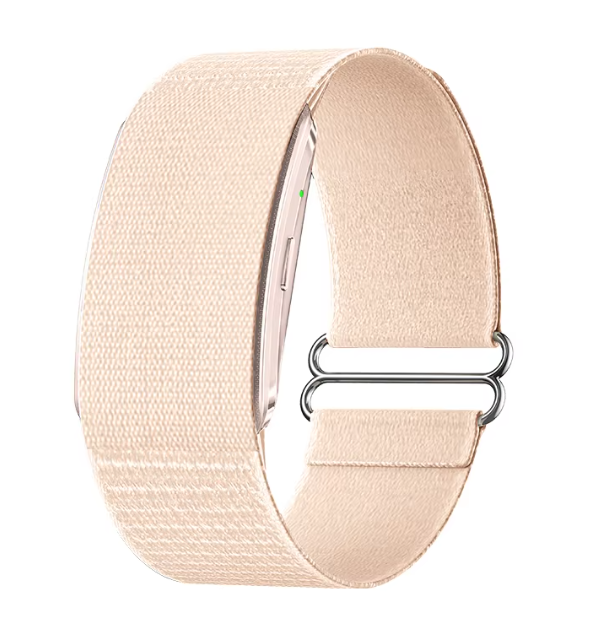
Smart Watch Health: Building a Personalized Baseline for Early Risk Detection
How AI Learns Your Unique Physiology to Spot Subtle Deviations
Smart watches track our health by building a personal profile through ongoing analysis of various biometric signals. These include things like heart rate variability (HRV), how we sleep at night, and daily movement patterns collected over several weeks or even months. The smart algorithms inside these devices look at all this information to understand what's normal for each person specifically, rather than comparing against average stats from big groups of people. When it comes to spotting problems, FDA approved tech can catch real issues when they happen. For instance, if someone's HRV drops about 12% while sleeping consistently or shows strange heartbeat patterns without any symptoms, the system flags those changes. What makes this method better is that it cuts down on unnecessary warnings and actually highlights the unusual readings doctors should really check out.
Real-World Impact: AFib Detection and Stroke Risk Reduction
Smartwatches aren't just for tracking steps anymore. With continuous monitoring features, these devices are becoming actual medical tools, especially when it comes to heart health issues. Take atrial fibrillation for example. About 25% of people over age 40 have this condition but don't know it until something bad happens like a stroke. The good news is that smartwatches with ECG capabilities can spot AFib with around 97% accuracy according to studies. This means doctors can prescribe blood thinners sooner, which research shows cuts down on strokes by roughly two thirds. We've seen this work in practice too. People who might never make it to a doctor's office regularly are getting warnings about their heart rhythms right there on their wrist. What used to require expensive equipment in hospitals is now available anytime, anywhere thanks to wearable technology.
Continuous Multimodal Monitoring: The Core of Smart Watch Health
ECG, SpO&, Sleep Stages, and HRV How Data Fusion Enables Proactive Insights
Today's smartwatches come packed with features like ECG readings, blood oxygen levels (SpO2), sleep stage tracking, and heart rate variability measurements all working together as one monitoring system. When combined, these different data streams allow artificial intelligence to spot connections between body functions that would go unnoticed when looking at just one metric at a time. Take for example what happens during the night when HRV drops while REM sleep gets disrupted. This pattern might actually signal developing metabolic issues long before someone even feels anything wrong, sometimes as much as two days ahead of time. A recent study published in JAMA Cardiology found that using this comprehensive method can catch signs of atrial fibrillation problems about 34 percent sooner compared to traditional approaches that rely on occasional ECG checks or waiting for people to report symptoms themselves.
Wear Compliance, Sensor Accuracy, and Battery Life: Practical Enablers of Reliable Tracking
For something to work well in clinical settings over time, there are basically three things that need to come together right. First, the optical sensors have to be really good at what they do, hitting over 95% accuracy when compared to those fancy gold standard devices we all know about. Then there's the battery life issue nobody wants to deal with. The device needs to last at least 72 straight hours without needing a recharge so it doesn't mess up our understanding of daily rhythms. And finally, nobody will actually wear anything uncomfortable or irritating skin-wise. That means creating designs that feel great against the skin and won't cause allergic reactions, keeping people compliant with wearing them around the clock at rates above 89%. Looking at recent studies published by IEEE Transactions on Biomedical Engineering back in 2024 shows just how important each component really is. When even one part falls short, it throws off all those long term observations doctors rely on for patients dealing with ongoing health issues. After all, tracking changes day after day matters a lot when someone has something that takes weeks or months to manage properly.
From Alert to Action: Bridging the Gap Between Smart Watch Health Alerts and Clinical Prevention
On-Device ML Models That Identify Pre-Diabetic Trends Using Nightly HRV and Sleep Architecture
Smart devices now run machine learning models that look at how stable heart rate variability is during the night and track how continuous our sleep stages are, which helps spot early signs of metabolic problems. If someone shows ongoing HRV instability (basically when there's less high frequency power and more low frequency power) along with trouble falling into REM sleep and lots of interruptions lasting over a month or so, the system will send out warnings about possible pre-diabetes based on known links to insulin issues. The good news is all this analysis happens right on the device itself, so personal data stays private while still getting timely feedback. Early tests showed people who took action after receiving these alerts managed to lower their HbA1c levels by about 0.7 percent in just half a year simply by making changes to diet and exercise habits.
Navigating the Validity Trade-Off: FDA-Cleared Algorithms vs. Consumer-Grade Smart Watch Health Alerts
Smart watches give out health alerts, but not all of them have the same importance when it comes to actual medical concerns. The ones cleared by the FDA go through proper testing with different groups of people before they hit the market. They need to hit certain standards too: around 94% accuracy rate for spotting AFib compared to just 78% from regular consumer models according to Cardiovascular Engineering research last year. These approved watches also maintain nearly perfect specificity rates regardless of someone's age, gender, or skin color. Plus there are about 62% fewer cases where doctors get falsely alerted because these devices combine information from multiple sensors. This makes a big difference in how patients are treated. Doctors actually trust the data from FDA approved devices enough to start prevention plans right away, whereas most other watch alerts still need confirmation through traditional tests. We're starting to see insurance companies including Medicare among others begin covering costs for these medically validated devices, which suggests they're becoming part of broader healthcare systems focused on preventing problems before they happen.
FAQ
How do smart watches track health?
Smart watches track health by analyzing biometric signals such as heart rate variability, sleep patterns, and daily movement over time to create personalized health profiles.
Can smart watches detect atrial fibrillation accurately?
Yes, smart watches with ECG capabilities can detect atrial fibrillation with around 97% accuracy according to studies.
What are the practical requirements for smart watches in clinical settings?
Smart watches need to have accurate optical sensors, a battery life of at least 72 hours, and comfortable design for prolonged wear to be effective in clinical tracking.
How do smart watches help in pre-diabetic risk detection?
By using on-device machine learning models to analyze nighttime heart rate variability and sleep data, smart watches can identify trends that may suggest pre-diabetic conditions.
What's the difference between FDA-cleared and consumer-grade smart watch alerts?
FDA-cleared smart watch alerts are more accurate and reliable, typically undergoing rigorous testing and maintaining high specificity compared to consumer-grade alerts.
Table of Contents
- Smart Watch Health: Building a Personalized Baseline for Early Risk Detection
- Continuous Multimodal Monitoring: The Core of Smart Watch Health
- From Alert to Action: Bridging the Gap Between Smart Watch Health Alerts and Clinical Prevention
-
FAQ
- How do smart watches track health?
- Can smart watches detect atrial fibrillation accurately?
- What are the practical requirements for smart watches in clinical settings?
- How do smart watches help in pre-diabetic risk detection?
- What's the difference between FDA-cleared and consumer-grade smart watch alerts?


