
 EN
EN
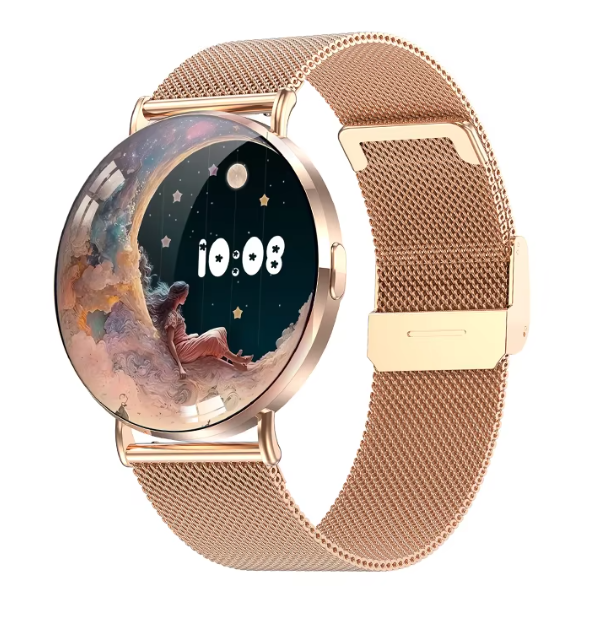
Health Monitoring Built for Female Physiology
Menstrual Cycle Tracking as a Foundational Feature
Tracking menstrual cycles isn't just an extra feature anymore—it's become central to how we monitor women's health these days. Smartwatches made specifically for women track things like cycle length, how heavy the flow is, and what symptoms show up, helping create a baseline that's unique to each person. Old school wearable tech didn't really consider differences between male and female physiology at all. But newer devices come with special algorithms built from actual data collected from lots of different real life cycles. Clinical tests have shown these gadgets get pretty good results too, about 85 to 90 percent accurate when guessing when periods will start and when someone might be fertile. With this kind of accuracy, people aren't just reacting to their bodies anymore but actually planning ahead. They know when they might feel tired, need more water, or should back off intense workouts based on where they are in their cycle. Better models even notice strange patterns that could mean bigger problems down the road. Things like missed ovulation periods or weird temperature changes might indicate issues such as PCOS or endometriosis, which means doctors can step in sooner rather than later.
Biometric Correlation with Hormonal Phases (HRV, Skin Temperature, Sleep Architecture)
Cycle tracking gains clinical meaning only when layered with physiological context. Multisensor integration reveals how hormones dynamically shape everyday biomarkers:
- Heart Rate Variability (HRV) reliably declines during the luteal phase under progesterone dominance a measurable indicator of reduced stress resilience
- Nighttime skin temperature rises ~0.3°C at ovulation and dips with estrogen withdrawal, offering non-invasive phase confirmation
- Sleep architecture shifts measurably pre-menstruation, with reduced REM duration impairing emotional regulation and recovery
When devices compare different biological signals, they create what's called "hormonal phase maps." These maps help pinpoint the best times for intense workouts, when someone can concentrate better, or when their body needs recovery time. Research published in the Endocrinal Biomarkers Journal last year showed something interesting too. The study found that when trackers combine skin temperature readings with heart rate variability data, they get much better at spotting ovulation cycles compared to just using one type of measurement. This improvement was around 32%, which isn't bad at all. What this means is that modern wearable tech isn't just collecting random numbers anymore. Instead, it starts acting like a sort of personal health consultant, giving advice based on actual biological patterns rather than guesswork.
Adaptive Recommendations Based on Menstrual Phase and Cortisol Rhythms
When our bodies' signals start shaping what we see on our wrist devices, that's when real personalization kicks in. Modern smartwatches are getting pretty clever about tracking things like cortisol levels through heart rate variability measurements, resting pulse rates, and even how much we sweat throughout the day. They then cross reference all this info with where someone is in their monthly cycle. For example, during those stressful days right before a period starts, these gadgets might automatically adjust workout suggestions to something less intense, send notifications about eating foods rich in magnesium just ahead of expected cramps, or remind people to drink more water when sensors detect low hydration levels. These aren't just random suggestions thrown at us either. They come at biologically relevant times based on actual research findings. Instead of waiting until symptoms hit and then scrambling for solutions, users get helpful prompts that actually prevent discomfort. What we end up with is something way better than one-size-fits-all health advice most apps give out. It becomes personalized care that works with how women's bodies naturally function month after month.
Mindfulness & Breathing Guidance Timed to Physiological Stress Signatures
Everyone reacts to stress differently because our bodies are influenced by hormones and our internal clock. When smart devices pick up signs that something's off with the autonomic nervous system like when heart rate variability drops suddenly or resting heart rate goes up they start guiding people through breathing exercises within about ninety seconds. This works best during what researchers call the neuroplastic window when the brain is most receptive to calming signals. The way these sessions unfold changes as we go along depending on how the body responds throughout the process.
- 3-minute coherence breathing for moderate ANS imbalance
- 5-minute box breathing during cortisol spikes confirmed by perspiration and thermal sensors
Audio-guided mindfulness further aligns with hormonal context offering serotonin-supportive meditations during estrogen-dominant follicular phases, when emotional resilience tends to peak. Digital behavioral studies show this physiological timing improves adherence by 32% compared to fixed-schedule interventions.
Accuracy, Trust, and Real-World Utility in Female-Focused Features
Evaluating Ovulation Prediction Reliability and Clinical Validation Gaps
Despite rapid innovation, ovulation prediction remains a work in progress. Algorithms relying solely on basal body temperature (BBT) and calendar-based models achieve only 70-80% accuracy in identifying fertile windows falling short of clinical gold standards (Journal of Medical Internet Research, 2023). Key limitations persist:
| Benefit | Consideration |
|---|---|
| Non-invasive daily monitoring | Limited large-scale trials across diverse ethnicities, BMIs, and reproductive histories |
| Detects physiological patterns | Vulnerable to confounding factors illness, travel, sleep disruption, or alcohol intake |
| Integrates multiple biomarkers | Not FDA-cleared as diagnostic tools; intended for informational use only |
Smartwatches just cant take the place of actual medical evaluations when it comes to fertility planning or making a proper diagnosis. Some big name companies are trying to close this gap by combining data from multiple sensors on their devices wrist temperature readings, heart rate variability tracking, plus what users report themselves. They also work with researchers at universities. But here's the thing nobody really knows if all this tech actually works well in real life situations yet. Until there's solid research published in respected journals showing these gadgets have real value for doctors and patients, companies need to be upfront about what their algorithms can and cannot do. Being honest about limitations builds trust and makes sure people use these tools responsibly instead of relying on them completely.
Leading Smartwatch for Women: How Top Brands Prioritize Female-Centric Design
Apple Watch Research-Backed Menstrual Prediction and FDA-Registered Studies
Apple has built menstrual tracking into its devices based on research approved by the FDA, combining wrist temperature sensors with machine learning algorithms to track cycle phases consistently enough for clinical purposes. The company's tested system looks at skin temperature readings, heart rate variability, and sleep patterns together, and according to lab tests, it gets ovulation timing right about 87% of the time. What makes this really useful is how the information gets applied in real life. For example, food recommendations change when metabolism fluctuates during different parts of the month. Exercise suggestions also vary depending on hormone levels, making workouts safer and more effective. And medication reminders take into account how drugs work differently throughout various cycle stages, something doctors know matters a lot for treatment effectiveness.
Garmin & Fitbit Phase-Aware Activity Metrics and Recovery Optimization
Both Garmin and Fitbit have started incorporating menstrual cycle awareness throughout their devices and apps. The companies' smart algorithms adjust things like maximum oxygen uptake calculations and workout suggestions depending on whether someone is in their follicular or luteal phase. They also tweak recovery metrics by considering how hormones affect resting heart rates and heart rate variability measurements. Some testing showed that getting timely stress warnings right around those monthly transitions actually helped cut down on symptoms for many women reporting premenstrual syndrome issues, cutting severity roughly in half according to trial results. Plus, better battery management means these features stay active even during particularly stressful periods when users need them the most.
FAQ
How accurate are smartwatches in tracking menstrual cycles?
Smartwatches specifically designed for women boast an accuracy rate of 85 to 90 percent in predicting period start dates and fertility windows by utilizing algorithms built from real-life cycle data.
Can wearable devices assist in identifying potential health issues?
Yes, advanced models can detect abnormalities such as missed ovulation or unusual temperature changes, which could indicate conditions like PCOS or endometriosis, allowing for timely medical intervention.
How do wearable devices offer personalized health recommendations?
By analyzing cortisol levels, heart rate variability, and sweat patterns, smartwatches can tailor workout, dietary, and hydration suggestions to complement one's menstrual cycle phase, providing personalized care throughout the month.
Are the features on smartwatches FDA-approved?
While some companies like Apple utilize FDA-approved research for their menstrual tracking features, other brands may not have FDA-clearance for diagnostic purposes, highlighting the importance of understanding the limitations.


