
 EN
EN
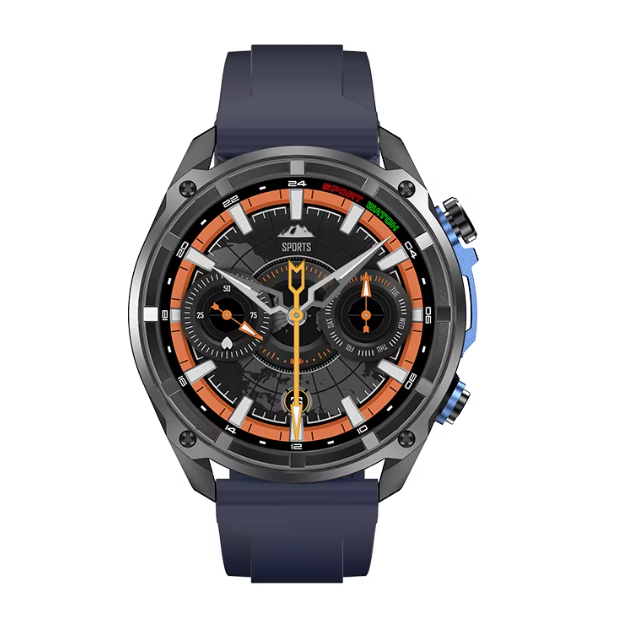
Understanding Water Resistance Ratings for Smartwatches Used in Swimming
Decoding ATM, IP68, and IPX8: What Each Rating Means for Swimmers
Water resistance ratings indicate a smartwatch's ability to withstand aquatic exposure—but they reflect static pressure tolerance, not dynamic swimming forces.
- 5 ATM: Rated for 50 meters of static water pressure—sufficient for pool swimming under controlled conditions.
- 10 ATM: Withstands 100 meters statically—recommended for open water, where wave action and depth variation increase real-world stress.
- IP68 & IPX8: Both denote submersion capability beyond 1 meter (typically up to 1.5–3 meters for 30 minutes), with IP68 adding full dust protection. Neither rating guarantees suitability for swimming; they're designed for accidental splashes or brief immersion—not repetitive motion or prolonged submersion.
For swimmers, 5 ATM or IP68/IPX8 is the minimum threshold—but it's not a guarantee of long-term reliability. Saltwater and chlorine degrade seals over time; without post-swim rinsing and regular maintenance, water resistance declines by ~18% annually (Wearable Tech Report 2023).
Why Lab Tests Fall Short: Static Depth vs. Dynamic Swimming Pressure
Lab certifications test watches under still, pressurized water—ignoring the hydrodynamic realities of swimming. Arm strokes generate transient pressure spikes equivalent to 20-meter depths, far exceeding 5 ATM limits during vigorous laps. Additional untested stressors include:
- Lateral force from sharp turns
- Impact pressure during diving entries
- Continuous wave compression in open water
These dynamics explain why 37% of certified pool swimmers report moisture-related failures despite compliant ratings (Aquatic Tech Study 2024). Freestyle stroke pressure alone peaks at ~3 ATM—60% of a 5 ATM watch's rated limit—highlighting why higher ratings significantly improve durability and data integrity during sustained use.
Smartwatch for Swimming: Real-World Suitability by Activity Type
While water resistance provides a foundational benchmark, actual performance hinges on how hardware and software respond to movement, environment, and chemistry.
Lap Swimming with 5ATM Smartwatches: When It Works—and When It Fails
Most 5ATM rated smartwatches work fine in regular pool conditions, especially when someone is doing steady strokes like freestyle or backstroke without too much splash around. But watch out if swimming gets intense. Those butterfly kicks, sudden turns, and quick direction changes actually cause pressure spikes inside the watch case which can break down the water resistant seals over time. According to research from the Ponemon Institute last year, nearly two thirds of all waterproof device failures happen because of these kinds of movement related stresses that standard lab tests don't catch. Salt water pools are particularly tough on devices too. The chlorine combined with salt really eats away at the seals, making them wear out about 40 percent faster than normal after just half a year of regular use. This leads to problems like inaccurate heart rate readings or messed up lap counters that frustrate swimmers trying to track their progress properly.
Open Water and Dive Mode: Hardware Limits That Software Can't Fix
When someone gets into open water swimming, they quickly run into physical limitations that no software fix will ever overcome. The waves just keep coming from all directions, depths change constantly, and GPS signals tend to fade out altogether. This creates real problems for tracking distance accurately. Even top-of-the-line devices struggle here, with accuracy dropping somewhere between 15% and 20%. Most "dive modes" found on regular smartwatches are basically marketing fluff. Underwater at around 10 meters deep, those fancy barometric sensors and microphones typically stop working because the pressure starts messing with the seals. Real diving gear needs proper ISO 6425 certification, special waterproof casings, and multiple layers of protection against water ingress. None of these things exist in standard consumer devices. Anyone planning dives deeper than 30 meters should stick with traditional dive computers. They're still the best bet for getting accurate readings when it matters most.
Tracking Performance Underwater: Accuracy of Stroke, Lap, and Heart Rate Data
Smartwatches for swimming deliver valuable metrics—but environmental interference and sensor physics impose hard limits on precision. Recognizing these boundaries helps prioritize tools that match your training goals.
Chlorine, Saltwater, and Sensor Drift: Why Lap and Stroke Detection Varies
Exposure to chemicals really messes with how well sensors work. Chlorine eats away at electrical contacts while saltwater causes problems between different types of metals through what's called galvanic corrosion. Both issues lead to something swimmers know all too well: sensor drift. This means lap counters might skip counting laps entirely or count them twice by accident. The inertial measurement units, or IMUs for short, are supposed to track movement patterns, but rough water throws off those acceleration readings that help identify different strokes. According to research published in Triathlete magazine last year, errors in stroke rate detection got as bad as nearly 30% during mixed stroke events, particularly when athletes switched between strokes halfway through a lap. Turns in pools and waves in open water just make things worse for these motion tracking systems. What works perfectly in controlled lab settings often falls apart completely once devices hit actual swimming conditions.
Optical Heart Rate Monitoring Underwater: Physics, Limitations, and Alternatives
Most optical heart rate sensors work by shining green light onto the skin through something called PPG technology. But when submerged in water, these sensors struggle because the light gets scattered around and blood vessels get compressed by water pressure. The signal becomes much less accurate underwater, sometimes dropping by as much as 40% compared to what we see on land. This makes optical readings pretty unreliable if someone wants to track intervals or monitor recovery while swimming laps. If accurate data matters, many athletes turn to chest straps connected via Bluetooth or special swim goggles equipped with motion sensors instead. A study published last year in Frontiers in Sports and Active Living found that these alternative systems can detect strokes with about 96% accuracy without any issues from water getting in the way. Competitive swimmers who need detailed feedback about their technique often find these options indispensable for proper training adjustments.
Choosing the Right Smartwatch for Swimming: Key Features and Verified Models
Selecting a smartwatch for swimming demands more than checking a water resistance label—it requires evaluating how well the device handles motion, chemistry, and environmental variability.
- Water Resistance Rating: Prioritize 5 ATM or ISO 22810 compliance for pool use—but understand that 10 ATM or higher is strongly advised for open water, where dynamic pressures routinely exceed lab-test parameters. A comparative water resistance study found 23% of user-reported failures stemmed from conflating static depth ratings with swimming motion stress.
- Swim Tracking Capabilities: Look for automatic lap detection, multi-stroke recognition (freestyle, breaststroke, backstroke, butterfly), SWOLF scoring, and—crucially—open-water GPS with strong signal retention.
- Durability Engineering: Choose chemically strengthened glass (e.g., Gorilla Glass DX), ceramic or sapphire bezels, and titanium cases—all proven to resist salt and chlorine corrosion better than aluminum or stainless steel.
- Sensor Performance: Avoid overreliance on underwater OHR. Instead, favor models with robust algorithmic compensation for motion artifacts—or those certified for seamless chest-strap pairing. Sensor drift affects ~1 in 5 devices during continuous swims over 45 minutes.
- Battery Life in Swim Mode: Verify real-world endurance: GPS-enabled open-water sessions drain batteries up to 3× faster than pool-based tracking. Aim for ≥7 hours of active GPS runtime.
Always validate performance with shallow-water testing before committing to extended use. Device failure rates in aquatic environments average 17% within the first year (Ponemon Institute 2023)—a reminder that verified engineering, not just marketing claims, defines true swim-readiness.
FAQ Section
What do the different water resistance ratings mean?
Water resistance ratings such as 5 ATM, 10 ATM, IP68, and IPX8 indicate the watch's capability to withstand different levels of water pressure. 5 ATM is recommended for pool swimming, while 10 ATM supports open water conditions.
Is IP68 or IPX8 suitable for swimming?
These ratings allow for brief submersion and accidental splashes but are not suitable for swimming or prolonged submersion activities.
Why do smartwatches have moisture-related failures?
Dynamic swimming pressures exceed static test limits, and additional factors like lateral forces and diving impacts can lead to device failures despite rated certifications.
What is sensor drift and how does it affect performance?
Sensor drift, caused by chlorine and saltwater exposure, leads to inaccuracies in lap and stroke detection, impacting the performance of smartwatches during swimming.


