
 EN
EN
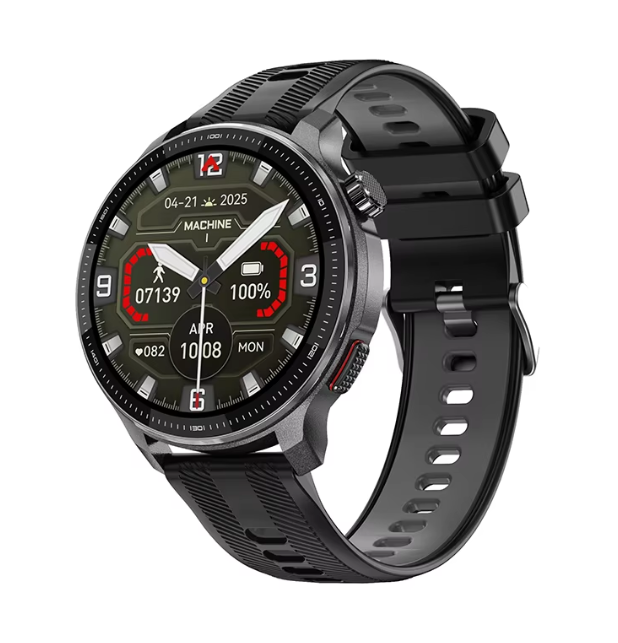
Smartphone Compatibility and App Ecosystem: The First Filter for the Best Smartwatch
OS Alignment: iOS vs. Android Optimization and Feature Parity
A smartwatch needs to work with its matching smartphone OS otherwise important stuff gets disabled. When they don't match up, things like hand gestures, voice answers, and notification alerts stop working properly. Sure, Android dominates most markets at around 70% according to Statista data from last year, while Apple's iOS sits at about 28%. But this isn't really about which phone is more popular it's about whether all the cool features actually function as intended. Many watches designed mainly for Android struggle when paired with iPhones, particularly when sending messages, running apps from other developers, or managing sensors in the background. Smartwatch manufacturers who want satisfied customers need to ensure their devices perform well regardless of what kind of phone someone owns, so people aren't stuck choosing between gadgets just because of operating systems.
Health & Fitness App Integration: Seamless Sync with Apple Health, Google Fit, and Strava
The real value comes down to how smoothly data moves between devices. When apps work natively with Apple Health, Google Fit, and Strava, people don't have to manually export files anymore. This stops health records from getting all over the place and keeps track of important trends over time like changes in sleep patterns or improvements in VO2 max levels. A recent study by Mobile Tech Report found that folks had about 30% fewer problems syncing their data when these services were built directly into operating systems. For anyone serious about fitness, having workouts automatically imported and seeing everything in one dashboard isn't just handy stuff—it's basically required if they want to actually track progress properly and spot meaningful patterns in their health data.
Health Monitoring Accuracy and Actionable Insights: What Makes a Smartwatch Truly Useful
Clinical-Grade Validity of Heart Rate, SpO, and ECG Features
What really makes a wearable device stand out is whether it hits medical grade accuracy standards. Take optical heart rate sensors for instance they generally match up about 90 to 95 percent with those fancy chest strap monitors when someone is doing steady exercise according to research published in the Journal of Medical Internet Research back in 2023. But things get tricky during fast movements or on people with darker skin tones because of how these sensors work through light absorption. And here's another important point: those ECG and blood oxygen features need their own separate clinical testing before we can trust them fully. Some premium models today actually catch atrial fibrillation cases with around 98% accuracy compared to what hospitals use. This kind of tech definitely helps with early detection and prevention efforts but let's be clear these gadgets aren't ready to replace proper medical equipment when dealing with serious health situations or emergencies.
Sleep Tracking Depth and Behavioral Feedback That Drives Real Change
Sleep tracking these days isn't just about how long someone sleeps anymore. Smart devices now combine data from body movements, changes in heart rate, and breathing patterns to figure out exactly what stage of sleep someone is in. These gadgets can spot when people aren't getting enough REM sleep, notice if they wake up multiple times during the night, or detect problems with their internal clock. The real value comes when this information translates into actual behavior changes. Some smartwatches look at how quickly someone falls asleep and how much they toss and turn, then suggest cutting off coffee later in the day. Others connect nighttime spikes in heart rate with signs of stress during waking hours and recommend relaxation techniques before bed. According to research published by the Sleep Health Foundation last year, folks who get this kind of specific feedback stick to better sleep habits around 43% more often than those who don't. Just knowing something isn't enough if it doesn't lead to actual improvements in daily life.
Fitness Performance and Real-World Reliability: GPS, Sensors, and Daily Usability
Multi-Sport Tracking Accuracy and Water Resistance for Swimming and Triathlon
The best smartwatches aren't limited to one activity type but can handle multiple sports without missing a beat, both in terms of what shows up on screen and how durable they actually are under stress. Swimmers need at least 5 ATM waterproofing if they want to wear theirs poolside, and those fancy sensors inside make all the difference too. They track strokes properly, count laps accurately, and even monitor heart rate beneath the surface. Optical sensors face real challenges when someone's moving fast and hard, like during intense cycling intervals or HIIT workouts where body movement often messes with readings. But manufacturers have gotten pretty good at making sure signals stay clean despite all that action. Put it all together and we get specific feedback tailored to different sports: runners see their pace in real time, swimmers get feedback on technique efficiency, and cyclists receive warnings when they hit certain power levels.
GPS Precision Across Environments-and How It Impacts Your Training Data
How accurate GPS is makes all the difference when it comes to valid training data. When signals start drifting around in places like city streets between tall buildings or deep in thick woods, distances often get inflated by more than 5%. This throws off pace calculations too, sometimes adding as much as 15 seconds extra per mile which matters a lot for long distance runners. Better devices now come with multi-frequency GPS tech along with support from other satellite systems like Galileo, GLONASS, and BeiDou. These combinations cut down on errors pretty effectively. Some high end watches take things even further by incorporating barometric altimeters to track changes in elevation accurately. They also sync up with real time cadence sensors to fix any delays in position tracking. What does this mean practically? Runners get reliable numbers for their trail runs, proper pacing info during marathons, and recovery strategies based on actual workload rather than faulty data.
Battery Life, Design, and Lifestyle Fit: Matching the Best Smartwatch to Your Daily Reality
A good smartwatch should fit into daily life instead of making someone adjust their habits around it. People keep dropping their watches because they have to charge them every day. According to Immecare research from 2025, nearly two thirds stop using theirs after getting tired of plugging in each morning. There's always this trade off between how long it lasts and how nice it looks. Bigger batteries make watches thicker and heavier, but if manufacturers want sleek designs, they end up with smaller power packs that don't last as long and leave less space for sensors inside. Finding the sweet spot really depends on what matters most to individual users.
- Active lifestyles prioritize sweat-resistant materials, featherlight builds, and 5 ATM water resistance for swim tracking
- Professional settings favor minimalist designs-slim cases, premium metal finishes, and quick-swap bands that transition from desk to dinner
- Off-grid travel demands week-plus runtime, solar charging options, and automatic time-zone updates
| Lifestyle Need | Key Features | Compromise Example |
|---|---|---|
| Frequent workouts | GPS accuracy, continuous heart rate monitoring | Slightly thicker case for battery and antenna space |
| Business wear | Slim profile, metal finishes, haptic discretion | Reduced battery capacity; optimized for 3-4 days |
| Off-grid travel | Solar charging, 30-day runtime, offline maps | Limited smart reply options and reduced notification depth |
Ultimately, technical excellence matters only when it aligns with lived reality-whether you™re pacing a half-marathon, leading a boardroom, or navigating remote terrain.
FAQ
What are the key factors when choosing the best smartwatch?
Consider compatibility with your smartphone’s OS, health monitoring accuracy, app ecosystem integration, battery life, design, and lifestyle features that match your daily habits.
Why is smartphone OS compatibility important for smartwatches?
Smartphone OS compatibility ensures that features like notifications, app functions, and health tracking work seamlessly without any interference.
How accurate are health monitoring features on smartwatches?
Some premium smartwatches have clinical-grade accuracy for heart rate, SpO², and ECG monitoring, but these features should be regarded as complementary to proper medical equipment.
How do smartwatches help improve fitness data accuracy?
Smartwatches with advanced GPS systems and sensors provide precise data during workouts, enabling effective tracking and personalized feedback across different sports.
Table of Contents
- Smartphone Compatibility and App Ecosystem: The First Filter for the Best Smartwatch
- Health Monitoring Accuracy and Actionable Insights: What Makes a Smartwatch Truly Useful
- Fitness Performance and Real-World Reliability: GPS, Sensors, and Daily Usability
- Battery Life, Design, and Lifestyle Fit: Matching the Best Smartwatch to Your Daily Reality
- FAQ


