
 EN
EN
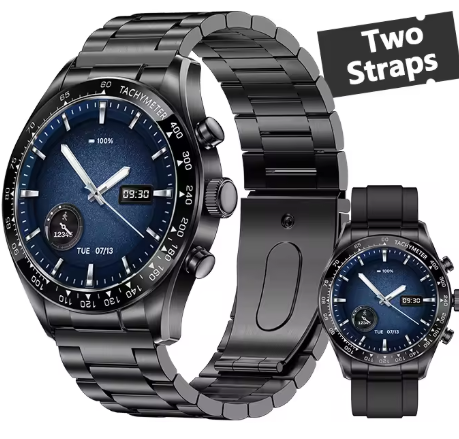
Fitness & Health Tracking Built for Men's Active Lifestyles
Heart Rate Accuracy, Recovery Metrics, and VO₂ Max for Training Consistency
Getting accurate heart rate readings matters a lot when it comes to working out properly. These days, the optical sensors we have can track beats per minute at a level similar to what doctors use, so people can tweak their workout intensity while they're actually exercising. Looking at recovery data has become really important too. Things like how our heart rate varies through the night and what stage of sleep we're in give us concrete numbers about whether our body is ready for another tough session. This kind of info helps prevent people from pushing themselves too hard, maybe cutting down on overtraining issues by around 30 percent according to some research. There's also this thing called VO2 max estimates that acts as a good indicator of how fit someone's cardiovascular system is. A study back in 2023 found that folks who checked these numbers regularly saw their running habits improve quite a bit, about 22% better consistency after just half a year.
GPS Reliability and Outdoor-Specific Modes (Trail Running, Hiking, HIIT)
For trail runners and hikers, multi-band GPS delivers <1% positional deviation even in dense forests or narrow canyons—critical for route fidelity and safety. Dedicated activity modes optimize performance:
- Trail Running: Refines stride detection on uneven, variable terrain
- Hiking: Tracks cumulative elevation gain and descent with barometric altimetry
-
HIIT: Auto-pauses between intervals using motion and HR patterns
Top-tier devices support offline topographic map downloads, ensuring navigation reliability in remote areas. Field reports from mountain athletes confirm 98% route accuracy during sustained ascents—delivering trustworthy distance, pace, and elevation data where cellular signals fail.
Design, Durability, and Fit: Prioritizing Male Ergonomics and Daily Resilience
Band Materials, Case Size, and Wrist Fit for Larger Anatomy
Most men find that watch cases sized around 44 to 47 mm work best for their wrists since they look good on bigger hands without making the watch too big. Materials matter too. Silicone straps let air circulate better than regular rubber, and those leather bands with holes in them help keep sweat from building up when working out hard. Getting the right fit isn't just about looks either. Research shows people stop using their wearables much faster if they don't fit properly. One study found folks who had trouble with fit gave up on their devices at almost twice the rate after just three months. Comfort matters over time. Look for watches with adjustable closures that can be tightened or loosened as needed, plus bands that bend naturally against the wrist instead of digging in near where the nerves run along the inside. Titanium watches weighing less than 50 grams feel lighter throughout the day, which makes wearing them all day easier on the hand. Some newer models use special plastics that stand up better to bumps and knocks without breaking down as quickly as traditional materials do.
Real-World Durability: MIL-STD-810G, IP68, and Water Resistance in Practice
The MIL-STD-810G and IP68 certifications aren't just about passing tests in controlled environments but actually surviving what happens out there in the real world. The MIL-STD-810G test checks if devices can handle being dropped from six feet high, sudden temperature changes from really cold (-20 degrees Celsius) all the way up to hot conditions (around 60 degrees), plus dealing with humidity levels similar to what people face when they train outdoors. For those who swim or do multiple sports, getting an IP68 rating means it can stay underwater at about 1.5 meters deep for half an hour without issues. But wait, environment matters too! Saltwater tends to wear down seals much quicker than regular tap water does, and sandy beaches are particularly bad news because grains of sand get into everything and break down water resistance faster. Devices with sapphire glass or special reinforced plastic shells tend to last longer since these materials don't crack as easily under impact compared to ordinary glass. Independent studies on how long wearables last suggest these tougher materials can extend device life by around three extra years before needing replacement.
Smart Functionality and Ecosystem Compatibility for Seamless Use
How well a smartwatch integrates into our ecosystem makes all the difference between something that fits naturally into our day or constantly gets in the way. When it syncs smoothly with phones, we can handle calls, get calendar reminders, and see messages without fumbling through multiple screens every five minutes. Good voice commands work reliably most of the time, and apps like Strava for tracking workouts, MyFitnessPal for diet stuff, and Spotify for music just need to function properly without crashing. Fingerprints or facial recognition save us from typing passwords again and again on different gadgets. Health data automatically goes where it needs to go instead of forcing us to manually upload everything to doctors or trainers. Best watches find that sweet spot between packed with features yet still easy to navigate. They keep contactless payments working when needed and let us control music playback without turning into an encyclopedia of buttons. Real seamless tech doesn't demand our focus but quietly supports what we already do throughout the day.
Battery Life, Long-Term Value, and Common Pitfalls When Buying a Smart Watch for Men
Balancing Battery Expectations: GPS, Always-On Display, and OS Updates
Battery life directly dictates real-world utility—especially for men engaged in extended outdoor activity or multi-day training blocks. Continuous GPS tracking can cut runtime by 40–60% versus basic timekeeping; always-on displays may halve total uptime. Background OS updates also contribute meaningfully to drain, particularly when triggered mid-workout. To maximize longevity:
- Enable battery-saver mode during long adventures
- Disable unused sensors (e.g., SpO₂ during low-intensity days)
- Schedule major updates overnight or during downtime
Today's best-in-class models deliver 24–48 hours with moderate GPS use—though intensive multi-day tracking still demands proactive power management. Adaptive charging algorithms help preserve battery cell health over multiple years, supporting long-term value.
Avoiding Overpaying or Under-Researching: Key Trade-offs in Features and Comfort
Common purchasing missteps include paying premiums for rarely used features—or overlooking ergonomic fundamentals that drive long-term adoption. Evidence-based trade-offs include:
| Priority Factor | Overpaying Risk | Under-Researching Risk |
|---|---|---|
| Advanced Health Sensors | 30%+ premium for ECG/SpO₂ with limited clinical utility for healthy users | Missing actionable recovery metrics like HRV trends or sleep efficiency benchmarks |
| Band Material | Luxury leather straps that trap heat and degrade quickly during intense training | Skin irritation or chafing from non-hypoallergenic synthetics or rigid composites |
| Battery Claims | Assuming “7-day life” applies with GPS, notifications, and always-on display active | Unplanned daily recharging disrupting training consistency or travel plans |
Studies indicate around two thirds of people end up regretting something about their purchase after just half a year, usually related to features or comfort issues. When making decisions, it helps to spend time testing products properly and really thinking about daily habits. For those who hit the gym regularly, tough silicone wristbands matter a lot along with devices built to withstand rough handling according to military standards. Office workers who split time between meetings and workouts might find themselves needing longer battery life instead, plus better ways to manage all those notifications without getting overwhelmed. What truly matters is finding gear that works well during actual activities like exercising, resting, and going about everyday life rather than chasing whatever's popular at the moment.
FAQs
Why is heart rate accuracy important in fitness tracking?
Accurate heart rate monitoring allows individuals to adjust workout intensity effectively and helps in tracking recovery metrics to prevent overtraining.
What makes GPS reliability crucial for outdoor activities?
Reliable GPS ensures accurate route tracking and safety, especially in challenging terrains like dense forests and narrow canyons.
What should I consider regarding smartwatch durability?
Look for MIL-STD-810G and IP68 certifications for real-world durability; these certifications ensure resistance to drops, extreme temperatures, and water immersion.
How can I manage my smartwatch's battery life effectively?
Utilize battery-saver modes, disable unused sensors, and schedule updates during downtime to maximize battery longevity, especially during intensive activities.
Table of Contents
-
Fitness & Health Tracking Built for Men's Active Lifestyles
- Heart Rate Accuracy, Recovery Metrics, and VO₂ Max for Training Consistency
- GPS Reliability and Outdoor-Specific Modes (Trail Running, Hiking, HIIT)
- Design, Durability, and Fit: Prioritizing Male Ergonomics and Daily Resilience
- Smart Functionality and Ecosystem Compatibility for Seamless Use
- Battery Life, Long-Term Value, and Common Pitfalls When Buying a Smart Watch for Men
- FAQs


