
 EN
EN
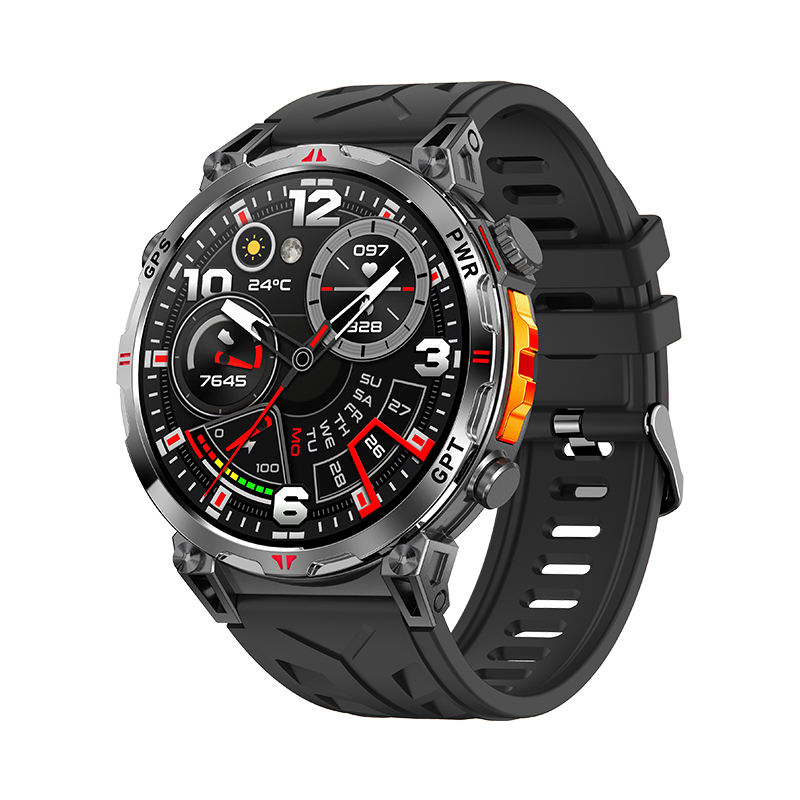
How GPS Impacts Smartwatch Battery Life
How GPS Functionality Impacts Smartwatch Power Demand
The way GPS tracking works needs continuous satellite contact for figuring out location details, which eats up about 30 to 50 percent more battery life compared to simple functions such as counting steps. Accelerometers and heart rate monitors don't run all the time they take samples now and then. But GPS stays on throughout exercise sessions, pulling around 25 to 35 milliamps each hour. That's roughly 8 to 15 times what the watch uses when just showing the time on standby. So while it gives great location accuracy, users definitely notice the extra drain on their device's battery.
Power Consumption of GPS in Smartwatches vs. Other Sensors
A 2023 analysis of wearable energy use found:
| Feature | Average Power Draw (mAh/hr) |
|---|---|
| GPS Tracking | 25–35 |
| Heart Rate Monitoring | 5–10 |
| Bluetooth Connectivity | 8–12 |
| OLED Screen (50% brightness) | 20–30 |
This comparison highlights why combining GPS, cellular connectivity, and bright screens during outdoor activities creates a compounding drain effect.
Measuring Energy Use: Wattage and Milliamp-Hours in GPS-Enabled Devices
Smartwatch batteries typically range from 200–500 mAh. At a steady 30 mA draw during GPS use:
- A 300 mAh battery delivers 10 hours of continuous GPS runtime.
- Ultra-efficient models like the Garmin Instinct 2 Solar extend this to over 30 hours using solar charging and optimized low-power chipsets.
Typical Battery Drain During GPS-Only Tracking Modes
Fitness-focused devices sustain 8–12 hours of GPS-only operation, while mainstream smartwatches often last under 6 hours. Enabling power-saving GPS modes—such as increasing polling intervals from 1-second to 10-second—reduces energy consumption by 25–40%, illustrating the critical trade-off between accuracy and endurance.
Key Factors That Increase Power Draw in GPS Smartwatches
GPS Usage and Its Impact on Smartwatch Battery Life During Workouts
When it comes to draining batteries during workouts, nothing beats continuous GPS tracking. The truth is, GPS eats up around 20 to 30 percent more power than just monitoring heart rate by itself. Take a typical 60 minute outdoor run with GPS turned on full time, and watch your battery drop nearly 30%. That's way worse than those indoor treadmill sessions where we turn off GPS completely, which only use about 8 or 10% according to Wearable Tech Analysis 2023. Why such a big gap? Well, the device needs to constantly hold onto those satellite signals while we're moving around, and all that bouncing around messes with the connection quite a bit.
Background Location Tracking and Cumulative Power Draw
Many GPS smartwatches ping satellites every 2–5 minutes for passive logging, even outside workout mode. This background activity can reduce daily battery life by 15–18% in devices lacking geofencing controls. Users who disable location services during rest periods often experience 40% longer battery longevity compared to those keeping GPS always active.
Screen Brightness and Connectivity Features Exacerbating Battery Drain
Display settings significantly amplify GPS-related power demands:
| Feature | Additional Battery Drain* |
|---|---|
| Always-On Display | +22% |
| Maximum Brightness | +18% |
| LTE/4G Connectivity | +35% |
*When used concurrently with GPS tracking (Smartwatch Efficiency Report 2023)
Bluetooth and Wi-Fi syncing further compound energy use, as processors manage multiple wireless protocols simultaneously during GPS activities.
Software Optimization and Firmware Efficiency in Managing GPS Load
High end smartwatches cut down on GPS power consumption by adjusting how often they check satellite signals. When sitting still, these watches can drop their update rate from once per second all the way down to just one tenth of a second between checks. The latest software updates for top tier models have actually improved this efficiency quite a bit lately. Some tests suggest around 12 to maybe even 15 percent better performance when the watch waits until it's plugged in to do those less important location checks. Cheaper alternatives generally don't include such smart features though. People who own budget smartwatches might notice their batteries die two times quicker than premium ones when doing similar activities over the same period.
Battery Performance Comparison Across Popular Smartwatches with GPS
Apple Watch Series 9: GPS-Only Workout Endurance and Battery Tech Integration
The Series 9 will last around six hours when tracking GPS continuously. That works fine for most short workouts, but serious endurance athletes will probably need to recharge sometime during the day. There are power saving settings that focus on essential features while cutting down on background activity, which actually gives about 18% more runtime compared to previous models. The fast charging feature is pretty handy too filling up half the battery in just thirty minutes makes all the difference when time is tight. For people who want their device back online quickly after running low, this model definitely hits the sweet spot.
Garmin Forerunner 265: Optimized GPS and Extended Battery Performance
This fitness oriented device gives users around 20 plus hours of GPS running time thanks to features like dual frequency positioning tech and those smart adaptive refresh rates that cut down on wasted energy. The company's special algorithms work wonders when it comes to grabbing signals efficiently, which actually means about 35 percent more battery life compared to similar products on the market right now. When switched into UltraTrac mode, the GPS will pause itself whenever someone stops moving, so tracking lasts roughly 30 hours total. That kind of endurance makes it great for people doing really long races or planning extended hiking trips where regular devices would just give up halfway through.
Samsung Galaxy Watch 6 vs. Fitbit Charge 6: GPS Battery Drain Analysis
The Galaxy Watch 6 can last around 8 hours on GPS alone, which is actually double what the Charge 6 manages at just 4 hours straight. But there's a catch - it turns off the always-on display feature to keep things running smoothly. The Charge 6 goes for a different approach with its simpler GPS setup that saves power, though tests in real conditions reveal some problems. When trees block satellite signals, the Charge 6 tends to lose track about 12% of the time compared to only 9% for the Galaxy model. And neither device escapes another common issue: pairing them with Bluetooth headphones while working out drains their batteries anywhere from 20 to 25 percent quicker than normal. Something worth keeping in mind for anyone planning long outdoor sessions with audio.
Budget Smartwatches and Trade-offs Between GPS Accuracy and Power Consumption
Budget friendly GPS watches typically last around 10 to 15 hours before needing a recharge, and many still use older chips that drain batteries about 18 percent faster than newer technology. Most gadgets priced under $150 come with GLONASS and Galileo satellite systems turned off by default, since manufacturers want to stretch battery life even though this cuts positional accuracy down to about 1.5 meters or worse. A few brands have started using motion sensors to cut back on how often they check location data, which saves roughly 22% on power consumption but creates some problems too. The downside? Distance measurements get skewed by about plus or minus 3%, making those workouts look slightly different than they actually were.
Balancing Location Accuracy and Power Efficiency in GPS Smartwatches
High-Precision GPS Modes and Their Effect on Battery Life
There's a big balancing act when it comes to smartwatches - getting good location accuracy versus keeping the battery going for longer. When they switch to those high precision modes that mix satellite signals with Wi-Fi and cell tower info, the watch can pinpoint locations down to about 3 meters away. But this comes at a cost. The power consumption jumps up quite a bit. Research indicates these advanced tracking features drain batteries around 40 percent quicker compared to just using regular GPS alone. Take a typical 300 mAh battery for example. With all the extra tech running, it might last only about 6 hours before needing a recharge, whereas in normal mode it would stick around for closer to 8 and a half hours.
Assisted GPS (A-GPS) and Power-Saving Location Estimation
A-GPS reduces initial satellite acquisition time from over 30 seconds to under 5 by leveraging cached orbital data via cellular networks. This optimization cuts power consumption during cold starts by up to 22% compared to traditional GPS initialization, while maintaining 10–15 meter accuracy suitable for most fitness tracking.
Multi-Band GNSS in Premium Smartwatches: Efficiency Gains or Added Drain?
When devices can tap into multiple GNSS constellations at once, they're actually connecting to four or even five different satellite systems all at the same time. This makes a big difference in tricky environments like city streets where buildings block signals. Tests show these multi-system receivers get about 34 percent more accurate readings than ones stuck with just one network. But there's a catch worth mentioning here too. Extended time outdoors does drain batteries faster, somewhere around 18 to maybe 27 percent extra consumption depending on conditions. Some newer chips from companies like Sony are helping bridge this gap though. Their CXD5603GF model manages roughly 15% improvement in energy efficiency thanks to smarter signal handling techniques. While not perfect, it definitely brings performance closer to what users want without completely sacrificing battery life.
The Role of Satellite Signal Lock Time in Energy Consumption
Signal acquisition accounts for 30–40% of total GPS-related power expenditure during activity tracking. Watches with fast Time-to-First-Fix (TTFF) algorithms (<15 seconds) save up to 90 mAh per hour compared to those needing 45+ seconds to lock onto satellites. This advantage is especially valuable for intermittent GPS use common in trail running and cycling.
Optimizing Battery Life for Smartwatches with Active GPS Use
Strategies to Minimize GPS-Related Battery Drain During Outdoor Activities
Reducing GPS-related power consumption begins with strategic hardware adjustments. Modern smartwatches use 25–40% less energy during workouts when employing power-saving GPS modes like single-frequency tracking instead of multi-band GNSS. According to a 2023 Wearable Technology Study, disabling background location updates preserves 18% of battery capacity during a 60-minute run.
Adaptive Sampling Rates and Intelligent Power Management Systems
Advanced devices dynamically adjust GPS sampling from 1-second to 60-second intervals based on motion detection, extending tracking endurance by up to 3 hours. Watches using Qualcomm’s Smart Outdoor Mode reduce location pings by 72% during static pauses without compromising route accuracy.
User-Controlled Settings for Balancing GPS Use and Battery Longevity
Key adjustable parameters include:
- Reducing screen brightness (saves 8–12% hourly)
- Disabling always-on heart rate monitoring (prevents 15% extra drain)
- Using interval-based GPS refresh (e.g., 1-minute vs. continuous)
Enabling airplane mode during GPS-only activities preserves an additional 22% of battery life, according to Stanford’s 2024 Wearables Lab tests.
Firmware Updates That Improve GPS Efficiency and Battery Tech Integration
Manufacturers have deployed firmware patches that reduce A-GPS initialization energy by 30% in 2024. Newer models integrate low-voltage GPS chipsets consuming 0.8W during navigation—37% less than components from 2022—enhancing both efficiency and long-term battery health.
FAQ
How does GPS impact smartwatch battery life?
GPS functionality requires continuous satellite contact, increasing power demand and consuming significantly more battery than other smartwatch features such as heart rate monitoring.
What are power-saving modes for GPS on smartwatches?
Power-saving modes may include reducing GPS polling intervals and switching to single-frequency tracking to minimize energy consumption while still maintaining adequate location accuracy.
Which smartwatches offer extended GPS battery life?
Models like Garmin Instinct 2 Solar and Garmin Forerunner 265 use features like solar charging and dual frequency positioning tech to extend GPS runtime compared to other devices.
What strategies can be used to reduce GPS-related power drain?
Users can reduce screen brightness, disable always-on heart rate monitoring, use interval-based GPS refresh, and enable airplane mode during GPS use to minimize battery consumption.


