
 EN
EN
Real‑world safety gaps of phone‑dependent outdoor running
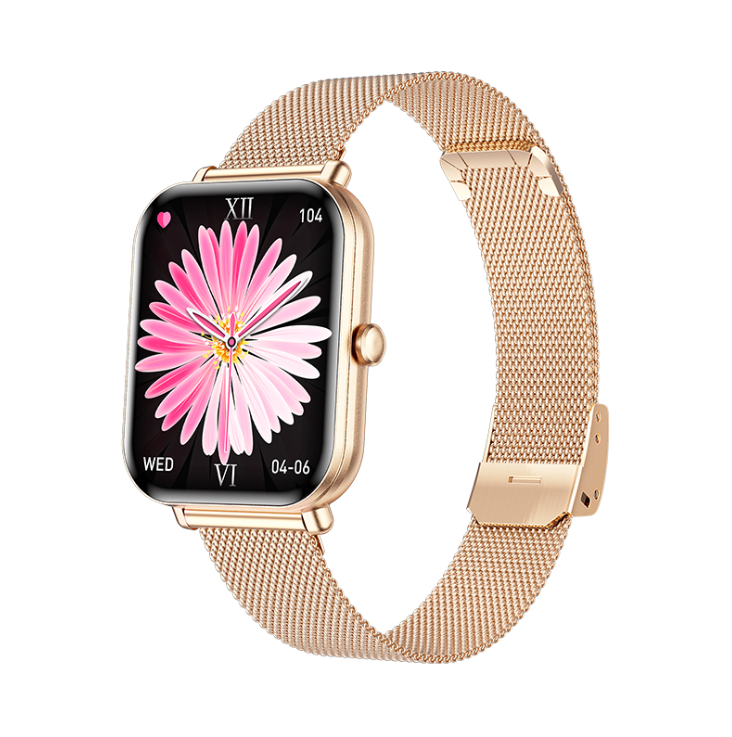
Many female runners once rely entirely on smartphone hardware for location tracking while running outdoors. Carrying a smartphone creates tangible burdens. Runners need armbands, waist pouches or hand‑holding solutions that disrupt natural arm swing. When danger emerges on isolated park or suburban routes, pulling out a bulky phone takes precious response time. Phone‑linked wearable units also lose tracking capacity once Bluetooth connection drops. A smartwatch for women with integrated GPS keeps location functions active independent of mobile phones. Stand‑alone satellite positioning maintains trajectory logging even when paired smartphones stay at home. This fundamental difference reshapes risk response for solo outdoor running scenarios. Still, GPS hardware only delivers auxiliary safety support and cannot remove all outdoor hazards completely.
Practical observations from female running community field feedback
One regional recreational running club collected long‑term feedback from more than sixty female solo runners. Many participants reported discomfort carrying smartphones for evening trail runs. Early Bluetooth‑only wearables failed to record accurate routes whenever cell phones got left behind. Several club members switched over to GPS‑equipped wrist devices. Field feedback noted improved sense of security during twilight runs. Real‑time location logging allowed trusted contacts to review approximate travel paths. Even so, multiple respondents pointed out that device safety features serve only as supplementary tools and cannot substitute for reasonable route planning. This community‑sourced case demonstrates how embedded GPS alters risk perception for solo female runners without eliminating all outdoor risks.
Performance comparison between GPS‑enabled and Bluetooth‑only running wearables
Reference test results draw from consumer wearable evaluation aligned with GB/T 38057 wearable positioning assessment standards. The table below compares key practical traits for outdoor running usage.
| Wearable Type | Positioning Without Phone | Emergency Location Sharing | Main Practical Drawbacks |
|---|---|---|---|
| Built‑in GPS Smartwatch | Full satellite‑based positioning | Continuous location data output | Higher power draw during active GPS sessions |
| Bluetooth‑Only Smartwatch | No independent positioning, depends on paired phone | Location data relies on stable Bluetooth link | Tracking fails once phone stays out of nearby range |
How built‑in GPS supports emergency response for solo runners
Embedded GPS modules generate continuous geolocation data right from the wrist unit. When unexpected situations take place on running routes, emergency alert functions transmit real‑time coordinates toward preset contacts without smartphone operation. Such quick response matters especially during dusk or low‑traffic trail segments. Industry safety guidance for outdoor recreational activity notes that fast location sharing shortens reaction windows for potential emergencies. Users still need to understand hardware limits. Satellite signals degrade heavily beneath dense tree canopy or between tall urban buildings, creating temporary positioning drift that affects coordinate precision.
Form‑factor considerations for female‑oriented GPS running wearables
Functional safety capability does not stand separate from daily‑wear comfort. Many female runners prioritize moderate case thickness, light overall weight and adaptable band materials for long‑time wrist contact. Over‑bulky GPS hardware causes wrist fatigue after multi‑hour training sessions. Some product lines shrink GPS‑equipped modules down to compact dimensions without stripping core satellite‑tracking functions. A balanced smartwatch for women balances safety‑related positioning hardware together with wearable ergonomics, avoiding the trade‑off where strong safety performance comes only with oversized heavy casing.
Honest limits for GPS‑driven running safety workflows
GPS‑equipped wrist devices bring meaningful improvements but carry clear real‑world constraints. Several practical factors affect final safety outcomes.
- Satellite signal quality shifts according to surrounding terrain and building obstruction.
- Activated GPS mode accelerates battery consumption and demands reasonable pre‑run charging habits.
- Emergency alert features depend on wireless signal coverage along running routes.
- Device‑based safety functions never replace sensible route selection and personal risk awareness.
Hardware performance combines with personal running habits to shape real‑world safety levels. Karen M Electronics draws on more than ten‑year wearable‑device development experience. Its product portfolio includes compact GPS‑capable smartwatch hardware, combining ergonomic casing design and stable satellite‑tracking performance to serve global consumer‑market requirements.
Table of Contents
- Real‑world safety gaps of phone‑dependent outdoor running
- Practical observations from female running community field feedback
- Performance comparison between GPS‑enabled and Bluetooth‑only running wearables
- How built‑in GPS supports emergency response for solo runners
- Form‑factor considerations for female‑oriented GPS running wearables
- Honest limits for GPS‑driven running safety workflows


