
 EN
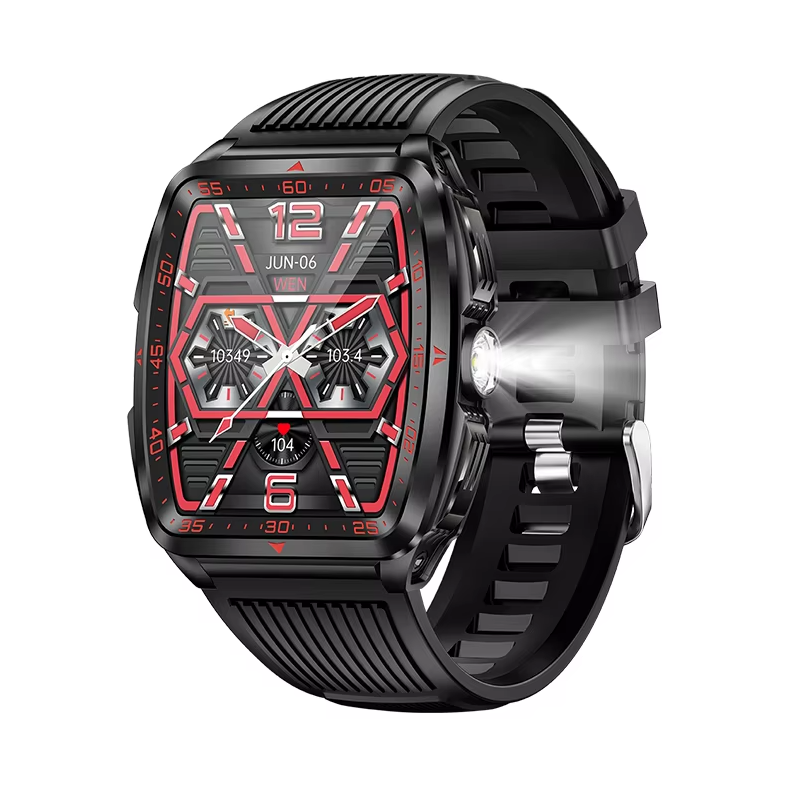
The wrist is a style surface, not just a sensor platform
A round smart watch has a way of slipping past the usual tech objections. Fashion-conscious users do not buy a wrist device as a tiny phone. They buy it as an accessory that happens to track steps, sleep, and notifications. That shift in framing changes everything about product selection. A bulky rectangle can win on screen real estate and still lose on the wrist because it fights with a tailored cuff, a bracelet stack, or a dinner jacket. Industry trackers such as IDC's Worldwide Quarterly Wearable Device Tracker keep showing that smartwatches are evaluated on both utility and appearance, and replacement interest often follows design refreshes rather than another sensor generation. The practical takeaway is simple. When the wrist is treated as a style surface, geometry stops being a cosmetic choice and becomes a buying criterion.
Round geometry solves a wardrobe problem
Classic watches trained the eye for centuries. A circular case, a balanced lug stance, and a clean dial read as jewelry first and instrument second. Rectangular smartwatches borrow from phones and fitness bands, which is fine for gym clothes and casual weekends. The same shape can feel out of place with a blazer or a silk shirt. A round case sits closer to the visual language of a dress watch, so it crosses over more easily from desk to dinner. The bezel also gives designers a frame for finishing details, such as a polished chamfer or a brushed outer ring. Those details catch light in a way that a flat glass slab rarely does. For users who rotate outfits often, that flexibility matters more than a few extra pixels in the corner of a display.
Display and battery tradeoffs that shape the buying decision
A circular display is not the most efficient canvas. Compared with a rectangle of the same width and height, a circle exposes roughly 78.5 percent of the active area. That missing corner space affects list views, maps, and dense dashboards. It also changes battery planning because the case volume is different, and a round chassis can make certain battery shapes easier to package while complicating others. The tradeoff is real, and honest product teams do not hide it. What fashion-focused buyers tend to reject is not the compromise itself. It is a compromise that shows up as a clumsy interface or a case that looks thick from the side. A well-designed round smart watch uses circular UI patterns, short text cards, and complication-style widgets that feel intentional rather than cropped.
| Design factor | Round smart watch | Rectangular smartwatch | Why fashion buyers notice |
|---|---|---|---|
| Active display area against same bounding box | About 78.5 percent | 100 percent reference | Dense text feels tighter, so UI discipline matters |
| Visual fit with tailored cuffs and bracelets | Strong, closer to classic watch proportions | Can feel phone-like or sporty | Outfit flexibility drives daily wear |
| Case finishing options | Bezel rings, chamfers, domed glass | Flat slabs, sharper corners | Light play and perceived material quality |
| UI layout freedom | Circular lists, dials, complications | Grids, maps, long lists | Interface must match the shape |
Case finishing and strap ecology matter more than spec sheets
A round case invites a different material conversation. Stainless steel, titanium, aluminum, and coated alloys all behave differently on a curved bezel. A polished chamfer can make a mid-priced case look sharper, while a bead-blasted finish hides fingerprints better during daily wear. Strap ecology is just as important. Standard lug widths and quick-release spring bars let users swap leather, mesh, silicone, and fabric without special tools. That matters because fashion-conscious users treat straps as part of the outfit, not as an afterthought. A beautiful case with a proprietary strap connector can kill repeat wear. During sourcing reviews, a common failure pattern is a strong case design paired with a weak strap portfolio. The fix is usually not more colors. It is a disciplined lug standard and a small, coherent strap family that covers work, weekend, and evening use.
A factory floor lesson on curved glass and tolerances
Round designs look simple until the glass meets the bezel. In a pilot run for a small European fashion label, the team found that a 0.08 mm mismatch between the glass curvature and the bezel ring was enough to create a visible shadow line under boutique lighting. The display was fine. The issue was assembly tolerance. The fix came from a tighter fixture and a revised adhesive cure profile, not from a new panel. That lesson travels well across projects. A round smart watch is a tolerance game. Curved glass, narrow bezels, and polished edges leave little room for sloppy fit. Brands that treat the case as a cosmetic shell often underestimate how much process control sits behind a clean reflection line. The same principle applies to color matching between the bezel, crown, and buckle. Small mismatches are easy to ignore on a spec sheet and very hard to ignore on a wrist.
Where round designs still fall short, and who should care
Round cases are not a universal answer. Users who spend serious time reading long messages, scanning maps, or reviewing dense workout data may prefer a rectangular screen. A circular display can also be more exposed to edge impacts, so case design needs thoughtful protection without turning the watch into a bumper. Battery volume is another constraint, and thin round cases leave less room for cells and antennas. Those limitations are worth stating plainly. The better question is who benefits most. Fashion-conscious users who want a watch that works with a wardrobe, a round smart watch often earns its place because it reduces the friction of daily wear. For brands building that kind of line, Karen M brings Shenzhen-based wearable manufacturing experience, disciplined quality control, and supply chain depth that help turn a round case concept into a producible accessory.
Table of Contents
- The wrist is a style surface, not just a sensor platform
- Round geometry solves a wardrobe problem
- Display and battery tradeoffs that shape the buying decision
- Case finishing and strap ecology matter more than spec sheets
- A factory floor lesson on curved glass and tolerances
- Where round designs still fall short, and who should care


