
 EN
EN
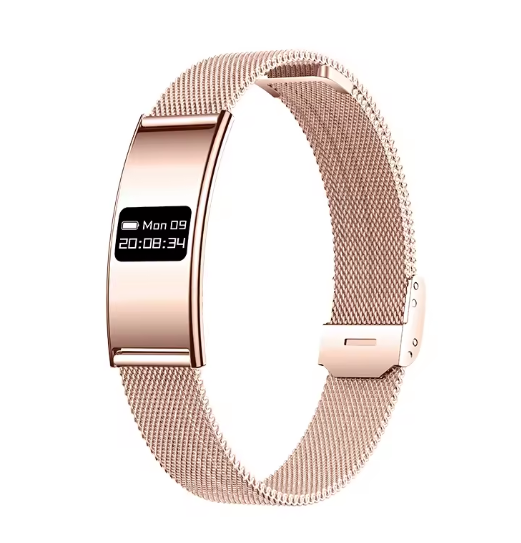
Elegant Design Language: Where Fashion Meets Wearable Engineering
Curved Cases, Soft Silhouettes, and Color-First Palettes
Smartwatches designed for women these days focus a lot on being comfortable against the skin and looking good too. The shapes of the watch cases tend to curve around the wrist naturally, and those little lug parts at the sides are getting thinner so they don't feel bulky when worn all day long. Fashion houses have been rolling out colors inspired by sunsets lately, think rose gold tones and soft lavender shades alongside classic neutral options. This marks a big change from the black-dominated designs we saw before. A recent report from Wearables Journal mentions something interesting: about two thirds of people buying these gadgets actually pick them based on whether the colors match what they're wearing seasonally. Manufacturers seem to be catching on to this trend where fashion meets function, making it easier for users to switch seamlessly from working out at the gym straight into dinner dates without needing to swap watches.
Luxury Materials — Stainless Steel, Ceramic, and Vegan Leather Finishes
Premium materials define high-end wearables by balancing durability, ethics, and tactile sophistication:
| Material | Key Advantages | User Preference* |
|---|---|---|
| Surgical Stainless Steel | Scratch resistance, hypoallergenic | 42% |
| Ceramic | Lightweight, fade-proof, thermal comfort | 33% |
| Vegan Leather | Sustainable, breathable, customizable | 25% |
| *2024 Wearable Materials Survey (n=1,200 users) |
The ceramic material stays cool against the skin during intense workouts, so nobody has to deal with that annoying irritation problem. Plant based leather options come with adjustable straps that make fitting much easier when things get sweaty. When it comes to durability, stainless steel versions can take twice as much wear and tear compared to regular aluminum ones according to lab tests. Plus, every single one of these materials passes the ISO 22810 standard for waterproofing up to 100 meters deep. That means they work great whether someone is swimming laps, trekking through mountains, or doing their usual gym routine while still looking pretty good on the wrist.
Personalization as Empowerment: Customization for Identity and Function
Interchangeable Straps Across Materials and Seasons
The ability to swap out straps turns one wearable into something much more versatile when it comes to style. Silicone options hold up against sweat and knocks around pretty well. Then there's the breathable nylon stuff that actually works great during those sticky summer days when everything else feels like it's going to melt on your wrist. For people who need to look sharp at work, the stainless steel mesh looks professional without sacrificing durability. And let's not forget about vegan leather straps which give off that classy vibe we all want during colder weather months. All these different materials mean users can keep their fitness stats accurate no matter what they're doing, but still show off their personality too. Pretty smart really, since nobody wants to buy five separate gadgets just to match their outfit changes throughout the week.
Curated Watch Faces with Feminine Aesthetics & Utility
Women's smartwatches come with interfaces that blend looks with function pretty well. Some have simple flower designs showing heart rate info next to calendar reminders while others use bright shapes to show steps taken over colorful sunset backgrounds. These watches make it easy to track periods too, displaying important info clearly so users can see what matters most without getting lost in clutter. Just tap once to switch from work mode to health stats, and suddenly this device isn't just tech gadget but something that fits into daily life. It combines fashion sense with real world usefulness, adapting to how people actually live their lives instead of forcing them into some idealized digital existence.
Purpose-Built Health Intelligence: Beyond Fitness Tracking
Modern smartwatches for women go far beyond generic step counting. They integrate clinical-grade sensors and adaptive algorithms calibrated specifically for female physiology—transforming raw biometrics into actionable, personalized health intelligence.
Menstrual Cycle Prediction, Ovulation Insights, and Pregnancy-Ready Metrics
Modern cycle tracking now uses real time body signals like changes in skin temperature at night and fluctuations in heart rate while sleeping to pinpoint when someone is most likely to conceive. Recent studies published in journals about wearable tech show that these predictions come from looking at patterns across time instead of just average numbers, which makes them much better than old fashioned calendar methods for figuring out fertility windows. When pregnant, certain FDA approved devices track how the uterus behaves and measure stress markers in mothers. These aren't meant to diagnose problems but serve as helpful signs that work alongside what doctors recommend. What we're seeing here is part of a bigger trend in healthcare moving away from simply watching what happens to actually anticipating needs before issues arise. The whole approach is based on solid research and focuses on the actual experiences women have with their bodies throughout their reproductive lives.
Seamless Tech Integration: Power, Precision, and All-Day Wearability
Smartwatches designed for women really excel at being unobtrusive tech gadgets that still pack a punch when it comes to performance. These devices manage their power so well that most last over two days on just one charge, which means no interruptions during those important health tracking sessions. Inside these sleek designs are processors that work smarter not harder, along with sensors that pick up all sorts of subtle body signals like changes in blood oxygen levels and heart rate variability that indicate stress. Independent tests from places like the Ponemon Institute back up these claims too. And let's talk about how light they actually are - many models weigh less than a smartphone! Manufacturers achieve this featherlight feel using materials typically found in airplanes combined with smart thermal design choices throughout the device.
Adaptive integration further refines daily use:
- Background Optimization: App refresh is intelligently throttled during low-motion periods to preserve energy
- Context-Aware Alerts: Vibration intensity scales automatically—softer pulses during meetings, stronger cues during workouts
- Wireless Syncing: Cloud backups occur exclusively during charging cycles, eliminating daytime bandwidth competition
This orchestration ensures the device operates not as an accessory, but as a seamless, intuitive extension of lifestyle—engineered for how women actually live, move, and lead.
FAQ Section
What materials are commonly used in women's smartwatches?
Common materials include surgical stainless steel, ceramic, and vegan leather finishes, each offering unique advantages like scratch resistance, thermal comfort, and sustainability.
How do smartwatches track menstrual cycles and ovulation?
Modern smartwatches use real-time body signals such as changes in skin temperature and heart rate variations to accurately predict menstrual cycles and ovulation periods.
Can the straps on women's smartwatches be changed?
Yes, many smartwatches offer interchangeable straps made from materials like silicone, stainless steel mesh, nylon, and vegan leather to match different styles and seasons.
How long do smartwatch batteries typically last?
Most smartwatches designed for women last over two days on a single charge, ensuring uninterrupted health tracking and usability.


