
 EN
EN
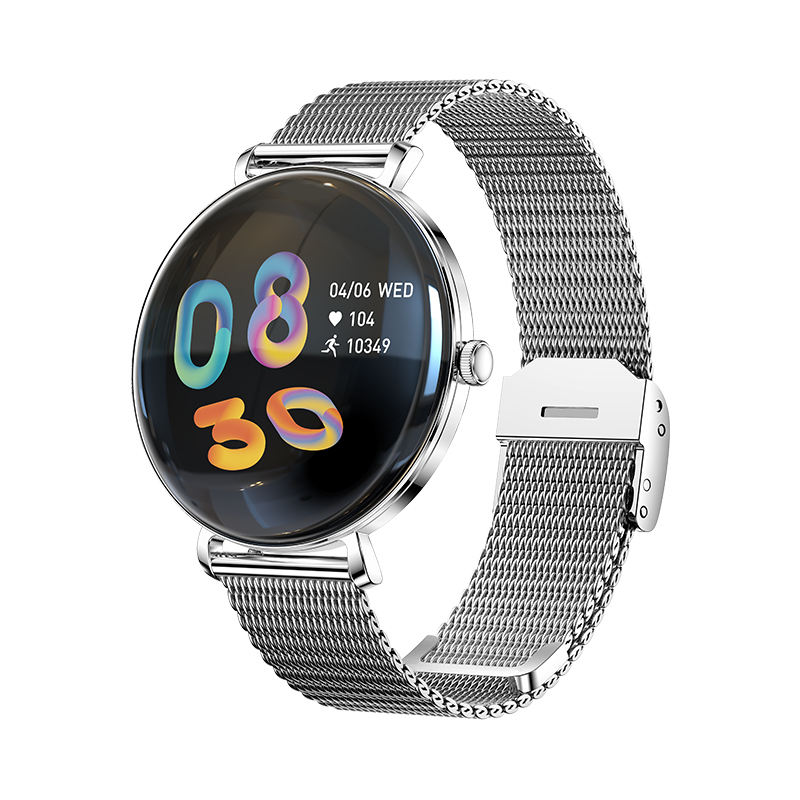
The Evolution of Female-Specific Health Features in Smartwatches
How Smartwatches for Women Are Evolving Beyond Fitness Tracking
Smartwatches designed for women have come a long way since they were just little gadgets counting steps. Back in the day, most models tracked things like heartbeats and calories burned, nothing too special. But according to recent market research from this year, about two thirds of female consumers are now looking for something different. They want their wearables to track menstrual cycles and provide information about hormone fluctuations instead of just focusing on exercise stats. The industry has noticed this trend clearly. Women aren't satisfied anymore with generic fitness trackers that treat everyone the same way. There's real money being made now by companies that understand women need tech tailored specifically to their unique biological rhythms and health concerns throughout life.
The Growing Demand for Female-Specific Health Features
Women's health wearables are expected to see some serious growth, probably around 15.2% each year until 2030, mainly because people want devices that track specific health metrics. Recent research from early 2024 shows most users care a lot about getting accurate predictions for their menstrual cycles and knowing when they're ovulating before buying a smartwatch. Big tech companies have noticed this trend and are putting well over 40% of their research money into creating better sensors for women's health. One area where we're seeing real progress is in skin temperature monitoring that works all day long, not just occasional checks. This kind of feature helps women understand their bodies better between regular doctor visits.
Integration of Reproductive Health Into Mainstream Wearable Technology
Tracking reproductive health isn't what it used to be anymore. What started as separate phone applications is now built right into most smartwatches these days. The latest models come equipped with skin temperature sensors that doctors have actually tested clinically. These sensors can pick up on changes during ovulation cycles about 89 percent of the time according to research studies. And guess what? Around two thirds (that's 68%) of all new wearable devices aimed at female health released last year already had this feature baked in. Smartwatches aren't just counting steps anymore though. They're combining basic fitness data with these reproductive insights to create comprehensive platforms. This helps track how hormone levels impact things like sleep patterns, how quickly muscles recover after exercise, and even our ability to handle daily stresses without burning out.
Understanding Menstrual Cycle Tracking and Its Accuracy in Wearables
Modern smartwatches come equipped with multiple sensors including HRV monitors and skin temp detectors that track body changes during different parts of the menstrual cycle. Research from the Journal of Medical Engineering back in 2023 indicated that these wearable gadgets match up with traditional ovulation tests around 85% of the time. The smart tech inside works by looking at nighttime biological data along with daily movement patterns to figure out where someone is in their cycle. But it's not always spot on. How accurate these predictions are really depends on how regular a person's cycle happens to be, with most estimates being off by somewhere between one and two days give or take.
Leading Smartwatches With Advanced Menstrual and Ovulation Tracking
The best devices these days have built-in cycle tracking right within their operating systems, so users don't need separate apps anymore. This makes everything much smoother since all the data stays together. Some premium models actually combine morning temperature readings with heart rate variability patterns throughout the day. What does this mean? Well, they can sometimes detect when hormones are changing as early as two days before someone even starts feeling symptoms. Studies back this up too. When manufacturers use multiple data points instead of just one metric, there's about a 37% drop in those annoying false alarms that happen with simpler systems. Makes sense really - looking at more information gives a clearer picture overall.
User Experience: How Apps Sync With Smartwatch Data for Cycle Predictions
Seamless synchronization allows mobile app logs such as mood, cramps, or flow intensity to refine algorithmic forecasts. According to a 2023 user survey, 78% prioritize devices that maintain longitudinal cycle archives across at least 12 months. Cloud-based platforms also support secure, encrypted sharing of de-identified data with healthcare providers, enhancing clinical consultations.
Limitations and Variability in Self-Reported vs. Sensor-Based Inputs
Problems happen when the information from wearable sensors doesn't match what people actually record themselves. According to research published last year, about 4 out of every 10 women reported starting their menstrual cycles on different days than what the sensors detected. The difference was usually around two days or sometimes even more. Companies working on these devices are now trying something new. They're creating systems that combine both sensor readings and what users enter manually. These hybrid approaches give more importance to certain measurements like blood oxygen levels and changes in blood vessels when there's uncertainty about exactly when a cycle starts or ends. This helps bridge the gap between automated tracking and real life experiences.
Skin Temperature and Hormonal Insights: Advancing Fertility Awareness
The Role of Wrist-Based Skin Temperature in Detecting Ovulation Shifts
The latest smartwatches come equipped with thermal sensors that pick up on tiny temperature changes at the wrist, which actually relate to hormone fluctuations in the body. According to studies published by Wearable Technology Insights last year, these gadgets are pretty good at spotting when ovulation happens through temperature shifts around 0.3 to 0.5 degrees Celsius higher as progesterone levels go up. Traditional BBT tracking has always been a pain because women had to take their temperature first thing in the morning before getting out of bed. Smartwatches solve this problem by gathering data throughout the night while we sleep, giving a much better picture of what's going on hormonally without all that hassle.
Scientific Validity of Skin Temperature Monitoring for Fertility Awareness
Research published in the Journal of Biomedical Engineering back in 2024 showed something pretty interesting. When people wore those temperature tracking devices every night for three full menstrual cycles, they could predict their ovulation window with around 82% accuracy. The numbers get even better though if these temperature readings are paired up with heart rate variability measurements and how long someone actually sleeps each night. Now before anyone gets too excited, these wearables aren't meant to replace doctor visits or anything like that. But for women trying to understand their bodies better, track fertility signs naturally, or just keep tabs on monthly health patterns, this kind of tech can be really helpful in practice.
Case Study: Nocturnal Temperature Trend Implementations
Leading brands employ distinct analytical strategies:
- Fitbit’s 2023 algorithm update analyzes 4-hour sleep segments to filter environmental noise
- Garmin emphasizes 60-day trend analysis to minimize false positives
These systems sync with fertility apps like Natural Cycles, where aggregated sensor data improves prediction reliability by 18% compared to manual entry (NCQA, 2023).
Challenges in Standardizing Temperature Data Across Body Types
Body composition factors such as BMI, skin thickness, and peripheral circulation impact wrist-based readings. A Stanford Medicine review (2023) noted temperature variations up to 15% among users wearing identical devices. To improve equity, manufacturers are introducing adaptive calibration modes and multi-sensor fusion techniques that account for individual physiology.
AI-Driven Insights From Long-Term Cycle and Symptom Tracking
Smartwatches can spot trends in women's cycles after looking at around six to twelve months worth of period info and body stats. They track things like how long periods last, how bad PMS symptoms get, and changes in hormones over time. Research published last year in a medical journal showed these fancy wearable devices cut down on wrong predictions about when periods will come by about one third compared to old fashioned apps where people just type in their info themselves. These gadgets connect heart rate variability data, how well someone sleeps, plus notes users write about what they're feeling to predict when energy levels might drop, headaches could strike, or mood swings happen because of estrogen going up and down.
Adaptive Algorithms That Learn Individual Hormonal Patterns
Neural networks refine predictions over time by learning personal baselines. For example:
- Detection of luteal-phase resting heart rate increases (+8–12 BPM)
- Adjustment of ovulation forecasts based on historical skin temperature trends
- Interpretation of symptom language (e.g., “cramping,” “mood swings”) via natural language processing
After three cycles, these models achieve 89% phase prediction accuracy, according to a Journal of Women’s Health meta-analysis.
Controversy Analysis: Are Current Models Biased Toward Average Cycles?
Many experts point out a big problem with how AI systems get trained - they mostly rely on those standard 28 day cycle models, which leaves out around 32 percent of women who have irregular menstrual patterns according to CDC stats from 2023. And it gets worse when looking at real world applications. A recent study from Stanford back in 2024 found that temperature tracking methods didn't work at all for nearly half (about 41%) of the people participating who had either PCOS or were going through perimenopause. Faced with these shortcomings, tech companies have started working hand in hand with various medical facilities to collect better data. These collaborations aim to create more comprehensive databases covering different age groups, body types, and hormone levels than ever before seen in previous datasets.
Smartwatch for Women: Toward Truly Individualized Health Feedback
Next-generation devices aim to incorporate non-invasive biomarkers like glucose trends and cortisol levels to tailor wellness guidance. Early clinical trials have tested alerts such as:
“High stress + low progesterone detected: consider yoga vs. HIIT today”
This evolution—from population averages to hyper-personalized feedback—has the potential to transform long-term gynecological and preventive care.
Expanding Beyond Cycle Tracking: Holistic Women's Health Management
Tracking Sleep, Stress, and Energy Levels in Relation to Hormonal Phases
Smartwatches now correlate hormonal phases with sleep disruption, stress markers, and energy output. Data from 2023 shows 53% of users experience poorer sleep during the luteal phase, prompting personalized recommendations such as adjusted bedtimes or mindfulness exercises. HRV monitoring enables real-time stress detection, triggering guided breathing sessions timed to hormonal sensitivity.
Smartwatch Features for Female Fitness and Wellness During Different Life Stages
Smart workout systems are getting pretty good at matching exercise intensity to where women are in their menstrual cycle and through major life changes such as perimenopause. According to some recent studies from 2024, about two thirds of people who used these systems reported sticking with their routines much better when the workouts fit their energy levels during those follicular and ovulatory periods. The technology is evolving fast too. We're seeing things like reminders to drink water pop up at just the right times, rough calculations for bone density based on age, and even customized strength training plans that take hormone fluctuations into account over different stages of womanhood.
Pregnancy and Postpartum Monitoring: Emerging Capabilities in Wearables
New devices are integrating pregnancy-specific tracking, including hydration balance, blood oxygen trends, and uterine activity indicators. Clinical trials are evaluating non-invasive fetal movement detection using advanced accelerometers. Postpartum tools now offer pelvic floor recovery guidance through mobility-linked exercise cues, supporting physical rehabilitation with real-time feedback.
How Smartwatch Data Supports Medical Research in Women's Health
When we look at all the data collected anonymously from millions of people wearing fitness trackers, it's actually helping doctors learn more about conditions that often go unnoticed, such as PCOS and endometriosis. There was this big study published in 2024 where they noticed something interesting about nighttime temperatures in women who hadn't been diagnosed with PCOS yet. About 38 percent showed these strange temperature patterns during sleep, which helped doctors spot potential issues sooner. Researchers have developed special methods called differential privacy to analyze large groups of data without revealing anything personal about individuals. This means those smart watches and fitness bands aren't just counting steps anymore; they're becoming pretty important for understanding bigger health trends across populations.
FAQs on Women's Health Features in Smartwatches
Do smartwatches replace traditional medical tests for tracking ovulation?
No, smartwatches are designed to provide supplementary data that can enhance awareness about one's health but are not a replacement for traditional medical tests.
How accurate is menstrual cycle tracking on smartwatches?
The accuracy can vary based on how regular a person's menstrual cycle is, but many smartwatches have been shown to align with traditional ovulation tests around 85% of the time.
Can smartwatches track pregnancy-specific indicators?
Yes, the latest devices are integrating pregnancy-specific tracking like hydration balance and blood oxygen trends.
Are the features in smartwatches applicable to all women?
Manufacturers are working on adaptive calibrations to accommodate different body types, though initial models may not be as effective for women with irregular cycles or certain health conditions.
Table of Contents
- The Evolution of Female-Specific Health Features in Smartwatches
- Understanding Menstrual Cycle Tracking and Its Accuracy in Wearables
- Leading Smartwatches With Advanced Menstrual and Ovulation Tracking
- User Experience: How Apps Sync With Smartwatch Data for Cycle Predictions
- Limitations and Variability in Self-Reported vs. Sensor-Based Inputs
- Skin Temperature and Hormonal Insights: Advancing Fertility Awareness
- AI-Driven Insights From Long-Term Cycle and Symptom Tracking
- Adaptive Algorithms That Learn Individual Hormonal Patterns
- Controversy Analysis: Are Current Models Biased Toward Average Cycles?
- Smartwatch for Women: Toward Truly Individualized Health Feedback
- Expanding Beyond Cycle Tracking: Holistic Women's Health Management
- FAQs on Women's Health Features in Smartwatches


