
 EN
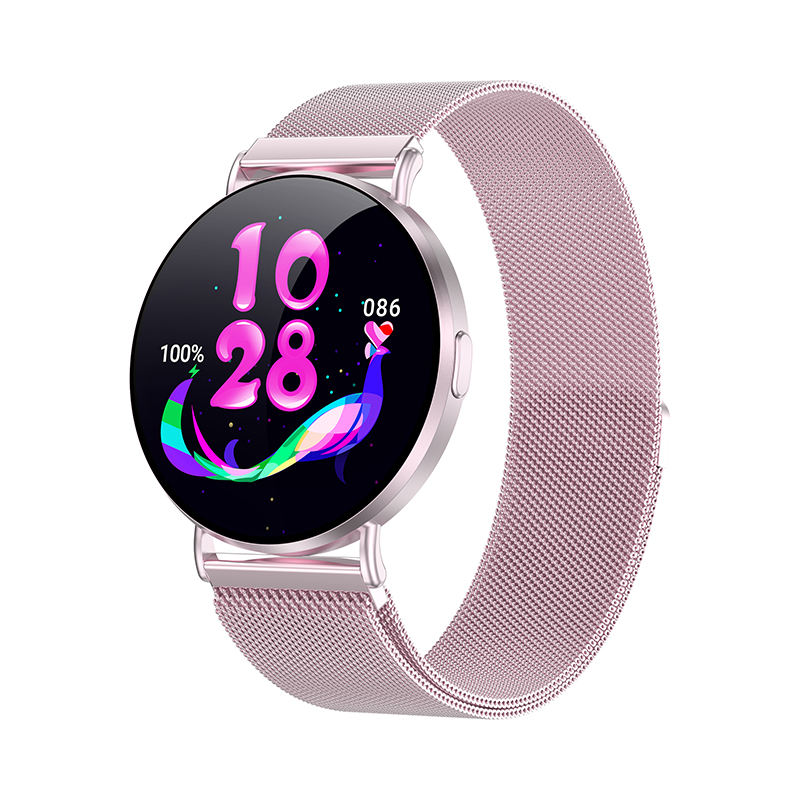
The Rise of the Fashion Smart Watch: From Gadget to Wardrobe Essential
The fashion smart watch has evolved from a bulky, tech-first device into a subtle, everyday accessory. Early wearables prioritized raw functionality—often clashing with professional attire—but as sensors shrank and battery life improved, designers began treating the wrist like a watch first and a computer second. Today’s best models deliver notifications, activity tracking, and contactless payments without compromising style. With rounded or slim cases, muted tones, and soft straps inspired by traditional timepieces, they blend seamlessly into business meetings or evening dinners.
That integration matters because clothing and accessories are social signals: a device that reads as a gadget can feel intrusive, while one that reads as a watch feels accepted. As adoption grows, the smartwatch has shifted from optional tech to wardrobe essential—equally at home with activewear and formalwear. This everyday versatility is what separates a true style item from a passing gadget.
Design Principles That Define the Fashion Smart Watch
Two design levers define a fashion smart watch: material legitimacy and visual restraint.
Luxury Materials and Timeless Proportions for Social Acceptance
Social acceptance begins with material quality and case geometry. Premium builds use titanium, stainless steel, or ceramic—not plastic—creating a cool, substantial weight that echoes fine jewelry. These materials reflect light, resist wear, and communicate intention over novelty. Sapphire crystal and polished bezels add optical depth and durability, but perception matters just as much in formal settings. Proportion is equally critical: a thin case, moderate diameter, and balanced lug width let the watch sit discreetly under a sleeve. Classic round faces draw on over a century of accepted watch design language—familiarity helps observers accept the object as a timepiece, not just a screen. Bulky square shapes, by contrast, often read as tech prototypes. Strap options also shape perception: leather and woven metal align with dress-watch codes far more effectively than bright silicone, reducing hesitation among style-conscious professionals. The result is a device that moves effortlessly from morning commute to evening dinner—no visual apology required.
Color Psychology and Minimalist Aesthetics in Daily Wear
Color determines how wearable the device feels. Neutral metallic tones—silver, graphite, and gold—function like jewelry neutrals, adapting across casual and professional settings. They pair naturally with suits, knitwear, and denim. Black cases lower visual noise; navy or deep green straps offer quiet variety. Bright colors may serve as accents, but they often limit everyday versatility. Minimalist watch faces reinforce this calm: simple indices, thin hands, and limited complications keep the display from competing with the wardrobe. A screen crowded with rings and metrics pulls attention back to technology—while a restrained digital dial helps the watch read as an accessory first. That perception matters: users glance at their watch dozens of times daily. By lowering saturation and visual complexity, designers make it feel less like a gadget and more like a personal token—anchored to identity, not feature specs.
Personalization as Style Expression: Interchangeable Bands and Digital Customization
A fashion smart watch becomes genuinely personal when users can change both its physical and digital appearance. Interchangeable bands are the most direct form of expression—allowing one device to shift from leather formality to sporty silicone in seconds. Over 40% of smart band sales now involve models with interchangeable straps (2024), underscoring strong consumer demand. Customizable watch faces add another layer, letting owners coordinate colors, typography, and complications with an outfit or mood. Third-party platforms expand creative options, though visual fidelity and battery impact vary.
This flexibility delivers two practical benefits: it keeps the wearable relevant across formal, casual, and fitness contexts without requiring multiple devices—and it deepens emotional attachment, because users perceive their watch as uniquely theirs. The result is a hybrid tool: part tech utility, part fashion accessory, adapting to different social codes without a wardrobe change. For brands, that sense of ownership isn’t just aesthetic—it’s strategic. Personalization drives repeat purchases and long-term loyalty, transforming customization from a design feature into a core retention lever.
Brand Strategy in Action: How Luxury and Heritage Labels Legitimize the Fashion Smart Watch
Luxury and heritage labels play a decisive role in transforming the fashion smart watch from niche gadget into a legitimate wardrobe essential. Rather than competing solely on technical specs, these houses leverage decades of craftsmanship, signature materials, and brand storytelling to signal social acceptance. A 2025 market analysis notes that hybrid models—blending analog elegance with digital innovation—are especially resonating with affluent, tech-savvy millennials and Gen Z consumers. This framing shifts the purchase decision from “which processor is faster?” to “which object best reflects my identity and taste?” For a fashion smart watch to succeed, design credibility and heritage cues matter as much as notification support or health tracking.
Louis Vuitton Tambour Horizon and Fossil x Hermès: Contrasting Models of Fashion-Tech Integration
Two distinct approaches illustrate how luxury legitimacy is built. The first model is the fully connected luxury timepiece: a house known for travel trunks and leather goods introduces a high-resolution touchscreen watch encased in polished steel, with custom watch faces echoing heritage patterns. It functions as a smartphone companion while retaining the weight, finish, and visual codes of a traditional dress watch.
The second model is the hybrid collaboration: a mass-market watch group partners with a storied leather house to produce a mostly analog watch with subtle smart features—activity tracking and notifications—wrapped in hand-stitched leather straps, classic proportions, and understated branding. In both cases, the fashion smart watch gains legitimacy not by hiding its technology, but by anchoring it in recognizable craftsmanship, proven materials, and a coherent luxury narrative. This contrast shows that heritage can authorize either digital prominence or analog restraint—proving there’s no single path to fashion-tech legitimacy.
FAQ
What is a fashion smart watch?
A fashion smart watch combines advanced smartwatch technologies, such as notifications and fitness tracking, with stylish, timeless design elements and materials that make it suitable across work, casual, and formal situations.
What materials are typically used in fashionable smart watches?
High-quality materials like titanium, stainless steel, ceramic, and sapphire crystal are commonly used to enhance durability and aesthetics, lending the watch a premium and luxurious appearance.
What makes a fashion smart watch suitable for daily wear?
Neutral, adaptable tones (like silver or graphite), minimalistic watch faces, and discreet sizes cater to a variety of outfits and occasions, seamlessly blending style and functionality.
How does personalization enhance the experience of using a fashion smart watch?
Personalization through interchangeable straps and customizable watch faces allows users to match their watch with different styles or moods, increasing emotional attachment and usability.
Why are luxury and heritage brands influential in the fashion smart watch market?
Luxury and heritage brands bring legitimacy through their craftsmanship, premium materials, and iconic design cues, making their smartwatches more than just tech tools—they’re status symbols.
Table of Contents
- The Rise of the Fashion Smart Watch: From Gadget to Wardrobe Essential
- Design Principles That Define the Fashion Smart Watch
- Personalization as Style Expression: Interchangeable Bands and Digital Customization
- Brand Strategy in Action: How Luxury and Heritage Labels Legitimize the Fashion Smart Watch
- FAQ


