
 EN
EN
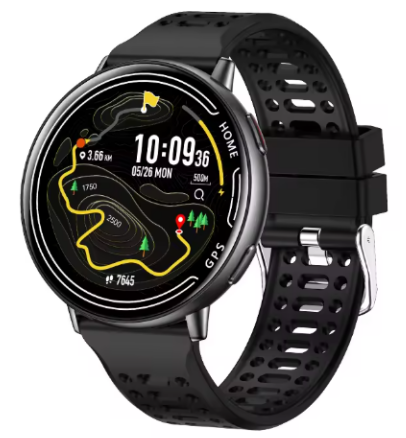
Clarify Your Primary Use Case to Identify the Best Budget Smartwatch
Fitness tracking, notifications, or style? Why your daily habits—not marketing claims—define the best budget smartwatch for you
Selecting the best budget smartwatch demands ruthless prioritization of how you’ll actually use it. Marketing often highlights flashy specs disconnected from real-world utility—67% of users abandon wearables within 6 months when features don’t align with habits (Ponemon Institute, 2023). Start by auditing your routine:
- Do you need continuous heart-rate tracking for marathon training?
- Is silencing work notifications during deep focus sessions critical?
- Will scratch-resistant materials matter for manual labor?
This habit-first approach prevents paying for unused capabilities. For example, always-on displays drain batteries but add minimal value if you primarily check time discreetly.
Three user archetypes: The health-conscious runner, the productivity-focused professional, and the minimalist lifestyle user
Budget smartwatch value hinges on matching hardware to dominant behavioral patterns:
| Archetype | Core Needs | Feature Priorities |
|---|---|---|
| Health-conscious runner | Accurate biometrics during activity | GPS accuracy, SpO₂ monitoring, IP68 rating |
| Productivity professional | Seamless task management | Customizable notifications, calendar sync |
| Minimalist user | Unobtrusive daily integration | Slim design, 10+ day battery, basic alerts |
Clinical-grade sensors matter intensely to runners tracking VO₂ max trends, while professionals prioritize reliable app integrations. Minimalists benefit most from stripped-down UIs. Cross-archetype purchases—like runners buying fashion-focused models—see 42% lower retention (MicroEJ, 2025).
Evaluate Must-Have Features That Deliver Real Value Under $150
Non-negotiable hardware: IP68 water resistance, AMOLED display, and FDA-cleared or clinical-grade heart rate + SpO₂ monitoring
When looking for a good budget smartwatch that won't break the bank, focus on hardware that can handle what everyday life throws at it. Water resistance rated IP68 means it can survive those sweaty gym sessions or if it gets dropped in the pool accidentally something that matters since almost 4 out of 10 fitness tracker owners have dealt with water damage according to Consumer Reports last year. The AMOLED screens are actually worth considering because they stay readable outside even when the sun is blazing, plus they tend to save battery life better than those cheap LCD options which just wash out in bright light. And don't forget about health features either. Look for watches with proper SpO2 sensors for measuring blood oxygen levels and heart rate monitors that have been tested properly. Some brands now make models that meet FDA standards for accuracy, matching what people pay for in much pricier devices.
| Feature | Practical Impact | Budget Compromise Risk |
|---|---|---|
| IP68 Water Resistance | Safe for swimming, sweat-heavy workouts | Failure after rain exposure |
| AMOLED Display | Visible in direct sunlight; thinner design | Unreadable outdoor workouts |
| Clinical Sensors | Detect abnormal heart rhythms/SpO₂ drops (≥94% accuracy) | Missed health alerts |
Battery truth test: How GPS, notifications, and always-on display impact real-world endurance (not just spec-sheet promises)
Most manufacturers tend to paint an overly optimistic picture when talking about battery life. When runners turn on GPS tracking, watch batteries get drained at around 40 to 60 percent faster than advertised for devices under $150. And let's not forget those constant notifications from our phones that eat away another 20% each day just sitting there. The always-on display feature? Super handy for glancing at the time, but it cuts the standard 5 day battery life down to about half. Looking for smartwatches with adjustable power settings makes sense. Turn off anything unnecessary when traveling to make the battery last longer. Some independent testing shows what many already suspect: those watches claiming 7 days of battery life typically only manage around 4 days when using GPS moderately and getting regular notifications. Always check out third party reviews before making a purchase decision.
Assess Ecosystem Compatibility and Long-Term Usability
iPhone vs. Android trade-offs: Where feature parity breaks down—and how it affects your experience with the best budget smartwatch
The operating systems for smartwatches work quite differently from each other. Apple's ecosystem tends to limit what third party watches can do with notifications and app features. On the flip side, most Android wearables let people reply to messages right from their wrist and work seamlessly with Google Assistant. According to Digital Trends last year, cheaper alternatives for iPhone users miss out on about a third of all features. When it comes to syncing health data, things get even worse for non-Apple devices. Only around one in five third party watches actually connects properly with Apple Health without losing information somewhere along the way. Looking at the bigger picture, Android watch owners generally get access to roughly 92% of available features while those stuck with budget options for iPhones only see about 58%. That makes a big difference when spending hundreds on a watch that might not work properly with your phone. Always check if a watch is officially compatible with your smartphone before making a purchase decision.
UI responsiveness, app stability, and firmware update history: Hidden indicators of long-term satisfaction beyond price
Laggy interfaces and app crashes degrade daily usage—devices with response times below 0.8 seconds retain users 18 months longer (TechSpot, 2024). Evaluate firmware track records critically: brands providing biannual updates reduce premature obsolescence by 3.2x. Watch for these red flags:
- Companion apps with under 4-star ratings
- Choppy animations during navigation
- Six-month gaps between security patches
Manufacturers committing to two-year update cycles demonstrate sustainable value, transforming a best budget smartwatch from disposable gadget to lasting tool.
Frequently Asked Questions
What features should I prioritize in a budget smartwatch?
Prioritize features that align with your daily activities, such as heart-rate tracking for runners, notification management for professionals, and long battery life for minimalists.
Is water resistance essential for a smartwatch?
Yes, especially if you plan to wear it during workouts or in environments with water exposure. Look for a smartwatch with at least IP68 water resistance.
How does the choice between AMOLED and LCD displays affect usage?
AMOLED displays are better for readability in direct sunlight and consume less battery than LCDs, making them a preferred choice for outdoor activities.
Will a budget smartwatch work well with both iPhone and Android devices?
Compatibility varies significantly; budget smartwatches often work better with Android devices due to feature availability, while iPhone users may experience limited functionality.


